The Best Types of Gold to Buy: A Practical Guide for Smart Investors
Written by Arbitrage • 2025-12-15 00:00:00
*We are not financial advisors, and this is not financial advice. This article is intended for educational and entertainment purposes only.*
Gold has captivated investors for thousands of years - from ancient coins traded on the Silk Road to the modern-day flight-to-safety rush during periods of market stress. But in today's data-driven world, choosing which type of gold to buy isn't just about shiny metal. It's about liquidity, premiums, portability, risk exposure, and how gold interacts with your broader portfolio strategy.
At Arbitrage Trade, we live at the intersection of analytics and opportunity. So let's break down the types of gold that offer the best value depending on your investing style - whether you're hedging against volatility, diversifying long-term, or playing offense in a market full of uncertainty.
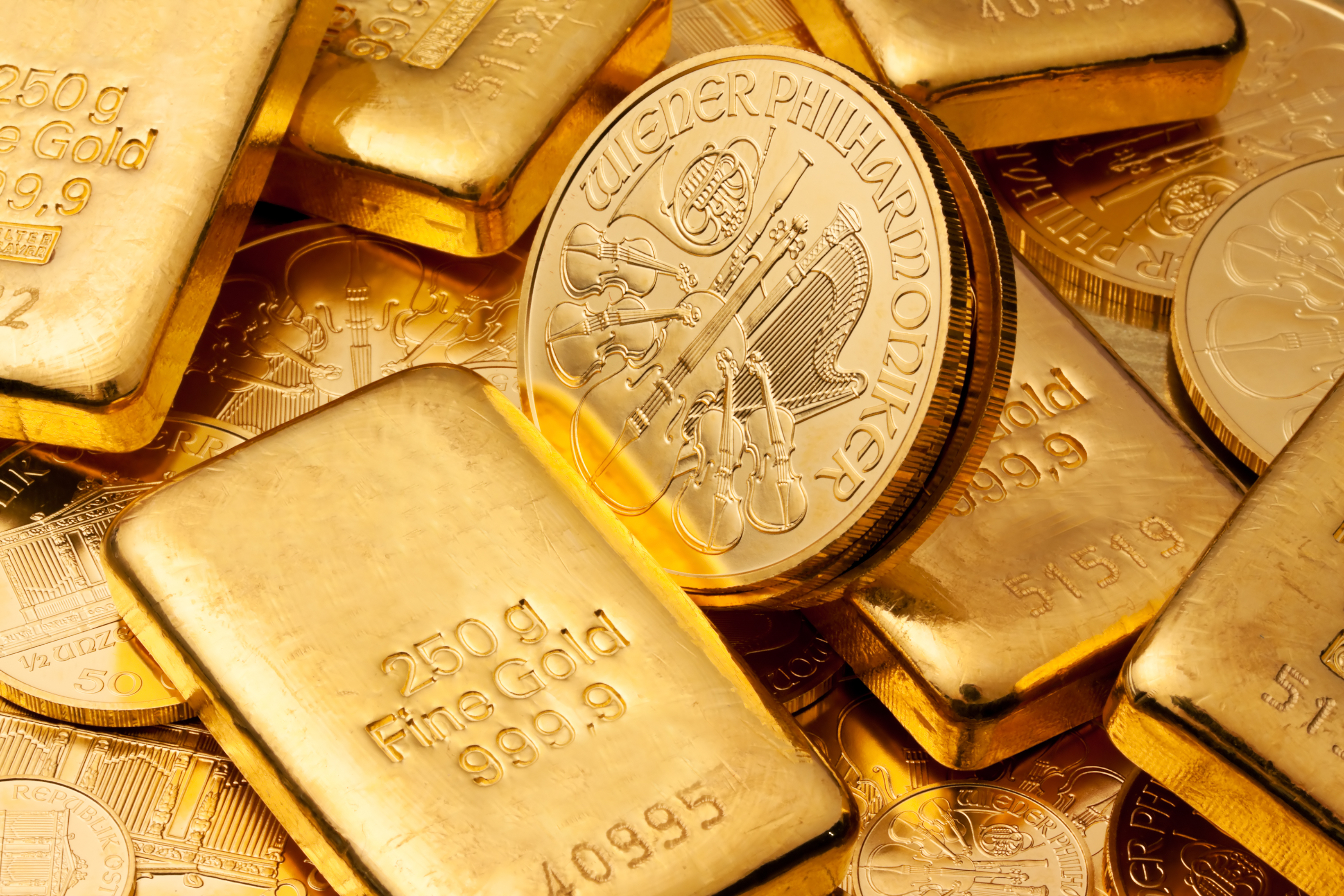
Gold Bullion Coins: The Sweet Spot for Most Investors
If gold had a "starter pack," it would be bullion coins. Government-minted coins like the American Gold Eagle, Canadian Maple Leaf, and South African Krugerrand strike the perfect balance between high liquidity, recognizable design (reducing authentication risk), and reasonable premiums over spot. Coins typically carry a slightly higher premium than bars because of minting costs and collectibility, but the trade-off is flexibility: it is easier to sell one 1-oz coin than a whole 10-oz bar. Analysts like them because bullion coins trade close to spot price during quiet markets and hold value exceptionally well during periods of investor fear or rapidly shifting macro conditions.
Gold Bars: Best for High-Value Storage and Lower Premiums
Gold bars (from 1 gram to 1 kilogram) are an efficient play. If you're focused on maximizing weight for your dollar, bars typically offer the lowest premium over spot. And when purchased from LBMA-approved refiners (such as PAMP Suisse, Valcambi, or Credit Suisse), verification and resale remain straightforward. They shine for long-term storage strategies, high-net-worth allocations, and portfolio rebalancing without high transaction costs. Bars aren't as "grab-and-go" as coins, but when your goal is pure exposure to gold, they deliver.
Gold ETFs: Exposure Without the Storage Headache
Gold ETFs like GLD and IAU give investors access to physical gold markets without ever touching a vault. These funds track gold's price with high liquidity and tight bid-ask spreads, making them excellent for tactical trading, hedge strategies inside existing portfolios, and correlation offsets during equity volatility. The trade-off is that you gain convenience, but lose the ability to redeem for physical metal. For investors wanting price exposure rather than possession, ETFs are the cleanest solution.
Fun Fact: During market stress, flows into gold ETFs often move in near-lockstep with increases in volatility indexes - a behavior we see consistently inside our analytics dashboards.
Gold Mining Stocks: High Risk, High Reward
Buying a gold miner isn't the same as buying gold; it's buying a business leveraged to the price of gold. When gold rises, mining companies often outperform. But when gold falls, they tend to underperform dramatically. Operational risk, geopolitical exposure, and production costs can amplify movements in both directions. This option is best for active investors who want asymmetric upside and can stomach cyclical swings. This option is not recommended for anyone seeking the stability that makes gold appealing in the first place.
Numismatic Coins: Beautiful... but Not for Beginners
Numismatic or collectible gold coins can command high premiums due to rarity, historical value, and condition. While fascinating for collectors, they behave very differently from investment-grade bullion. Their value is influenced more by collectors' markets than the gold spot price, which can make the investment side unpredictable. Unless you're deeply experienced (or simply buying for personal enjoyment), most investors should stick to modern bullion coins.
What's the Best Gold to Buy? It Depends on Your Strategy
Here’s the breakdown we give most traders and advisors:
- Want flexibility & substantial resale value? Bullion coins.
- Want the most gold for your money? Bars.
- Want exposure without vaults, shipping, or insurance? ETFs.
- Want leverage to rising gold prices? Mining stocks.
- Want historical or artistic value? Numismatic coins.
Gold is not a "one size fits all" asset - and that's what makes it so powerful. Whether you're hedging against inflation, diversifying risk, or using gold's behavior to complement your broader trading strategies, choosing the correct form can amplify the benefits.
Final Thoughts
Gold has remained relevant for millennia because it performs one role exceptionally well: it preserves value when markets don't behave. Investors, advisors, and traders who understand how to choose the right type of gold position themselves to maximize both resilience and opportunity. And as always, the more intelligent your tools and analytics, the wiser your decisions - whether you're evaluating a bar, a coin, or a chart.
*We are not financial advisors, and this is not financial advice. This article is intended for educational and entertainment purposes only.*