From Candlelight to Capital: The Financial Evolution of Chandeliers
Written by Arbitrage • 2026-01-23 00:00:00
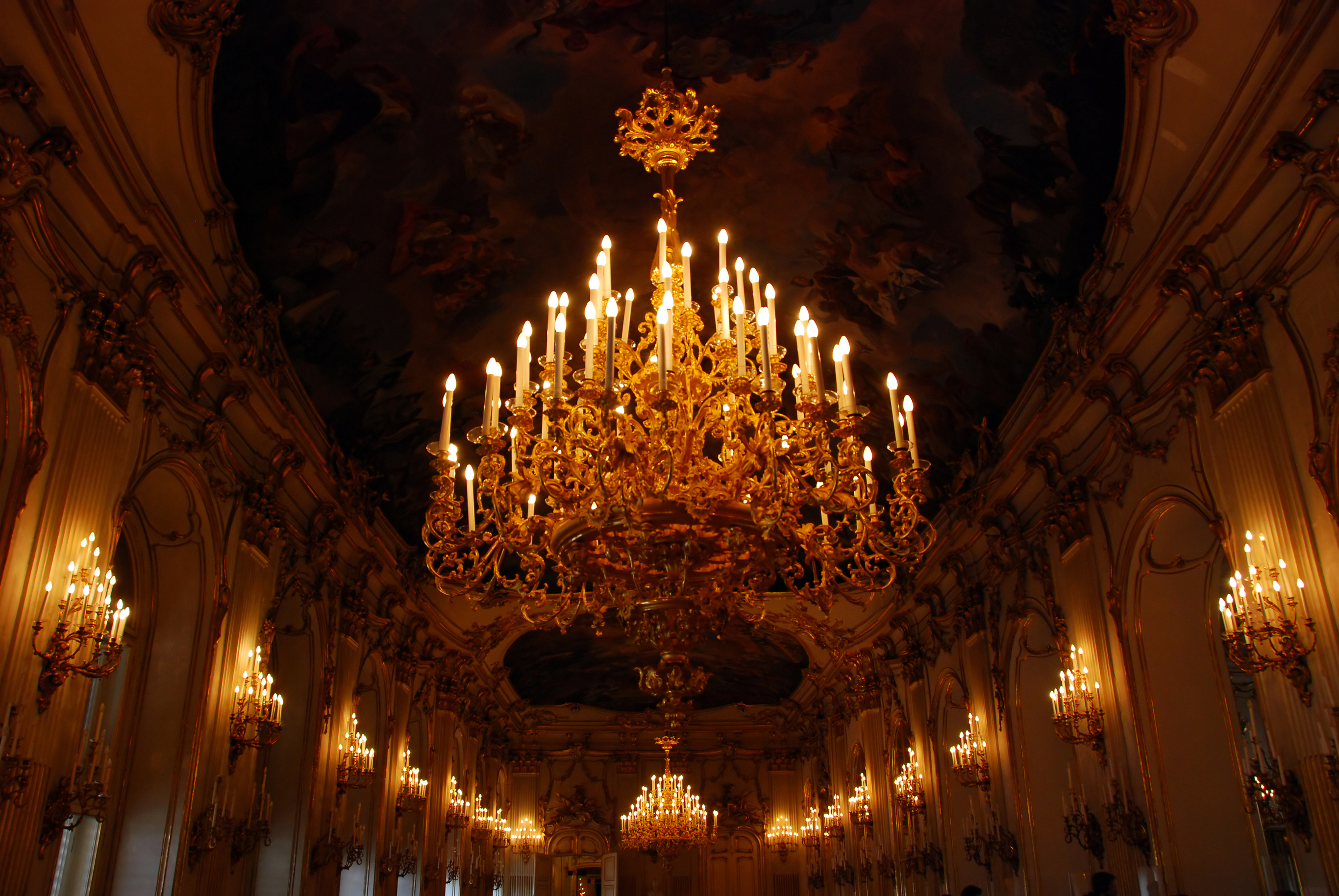
Long before markets traded electronically or assets moved at the speed of light, light itself was a symbol of wealth. Chandeliers - once simple wooden frames holding candles - evolved into some of the most financially and culturally significant objects in history. Their transformation mirrors the evolution of capital itself: from scarcity and concentration to innovation, accessibility, and strategic deployment.
Light as Early Capital
In medieval Europe, light was expensive. Candles were made from beeswax or tallow, both labor-intensive resources. To hang dozens of candles in one place was not a decorative indulgence; it was a visible declaration of financial power. Early chandeliers were found almost exclusively in palaces, cathedrals, and noble estates. Owning one signaled surplus capital. Lighting an entire hall meant you could afford not only the materials but also the ongoing operating costs. Much like early land ownership or gold reserves, chandeliers functioned as status assets - illiquid, symbolic, and unmistakable.
The Rise of Craftsmanship and Value Differentiation
By the 17th and 18th centuries, chandeliers evolved alongside global trade. Venetian glassmakers, French bronze casters, and Bohemian crystal artisans transformed chandeliers into highly differentiated luxury assets. This era introduced financial concepts we still recognize today, such as brand value (Murano glass commanded premiums), supply constraints (hand-crafted production limited volume), and price signaling (larger, more ornate fixtures implied greater wealth). Much like fine art or rare metals, chandeliers became stores of value: portable capital expressed through craftsmanship.
Industrialization: When Light Scaled
The Industrial Revolution changed everything. Gas lighting, followed by electricity, lowered costs and increased accessibility. Chandeliers moved from exclusive wealth symbols to architectural centerpieces in theaters, hotels, and banks.
Corporate Headquarters
This mirrors the democratization of markets themselves. As technology scaled production, light - like capital - became more efficient, more predictable, and more widely distributed. Yet even then, premium chandeliers retained their signaling power. Grand banking halls and stock exchanges didn't just illuminate space; they communicated stability, trust, and permanence.
Modern Chandeliers: From Status to Strategy
Today, chandeliers occupy a different role. In modern finance, lighting design is intentional rather than ornamental. Chandeliers today are used to anchor architectural identity, signal brand confidence, and influence behavior and perception. On trading floors, in boardrooms, and in wealth management offices, light affects focus, mood, and decision-making. Behavioral finance teaches us that the environment shapes risk tolerance and judgment and is a reminder that even subtle design choices carry economic consequences.
A Parallel to Modern Markets
The evolution of chandeliers closely parallels the evolution of financial systems.
Then:
Candles as scarce resources
Capital as scarce opportunity
Hand-crafted exclusivity
Visible wealth signaling
Illiquid prestige assets
Now:
Proprietary strategies
Transparent performance
Dynamic, adaptable portfolios
Just as chandeliers evolved from static symbols to functional design elements, modern trading has shifted from brute force capital deployment to precision, timing, and efficiency.
Why This Matters to Traders
At Arbitrage Trade, we study markets through structure, flow, and signal - not decoration. But the chandelier's story is a reminder that value evolves with technology, and those who adapt early gain an edge. Markets reward efficient use of resources, strategic deployment of capital, and understanding when symbolism no longer equals substance. The chandelier didn't disappear when electricity arrived - it adapted. The same is true for successful traders.
Illuminating the Bigger Picture
From medieval halls lit by flickering candles to modern spaces powered by intelligent systems, chandeliers tell a story of human innovation, capital allocation, and evolving value. In finance, as in architecture, the goal isn't just to shine; it's to illuminate what matters most. And in today's markets, clarity is the most valuable light of all.