Watching with Words
Written by Arbitrage • 2026-01-15 00:00:00
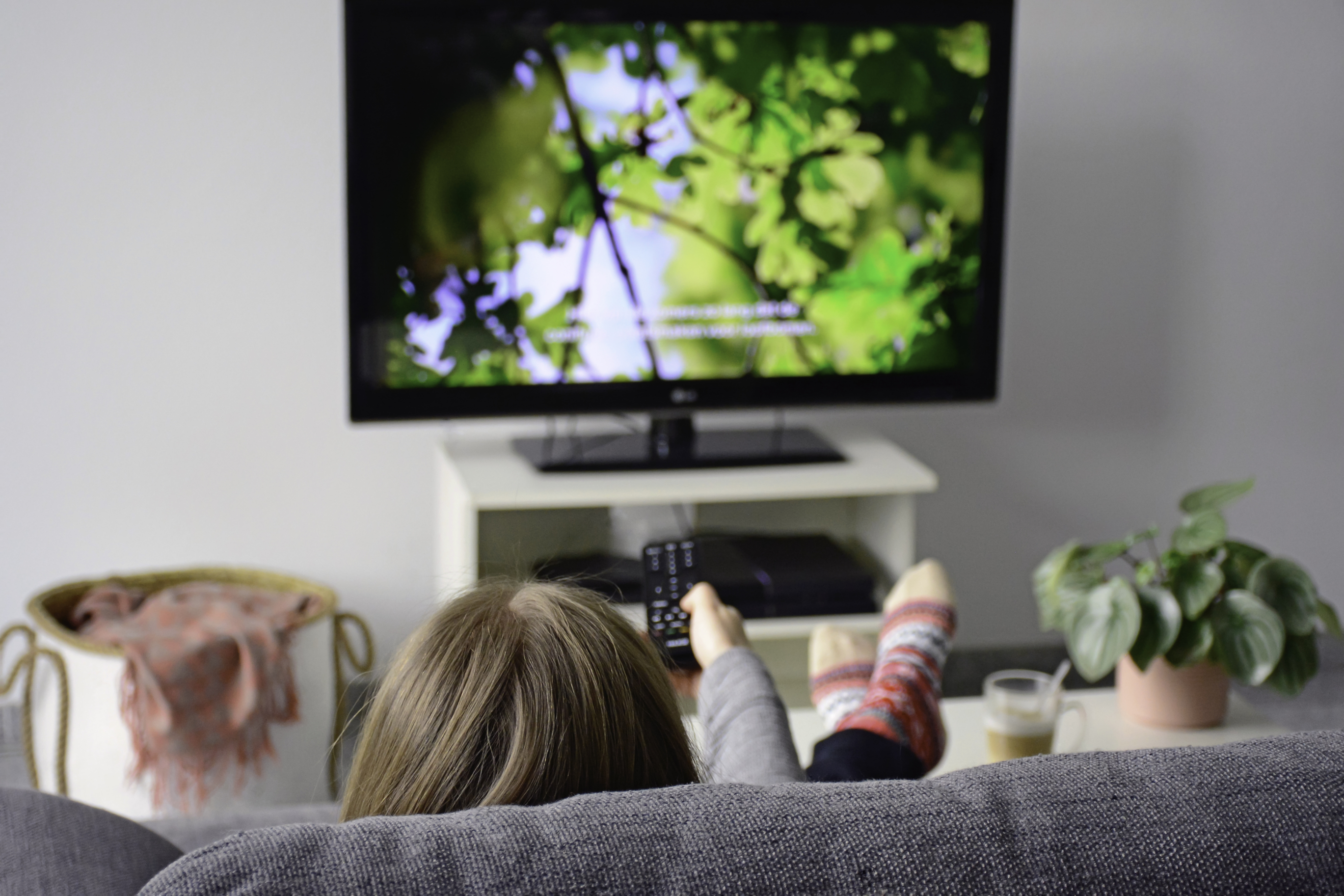
If you've noticed more of your friends watching TV with words on the screen, you're not imagining it. While subtitle use has become mainstream across age groups, it is becoming especially common among younger viewers. A new AP-NORC poll conducted in August 2025 found that about 4 in 10 adults under 45 say they use subtitles often when watching TV or movies, compared with roughly 3 in 10 adults 45 and older. Adults over 60 are the most likely to say they "never" use them. "What the younger kids are doing is, a lot of them will multitask," said David Barber, president of the Motion Picture Sound Editors. "They're probably half-listening and half-watching." The same survey reports that the most common motivation is simple: people want to catch every word. A majority of users (55%) say they turn on captions to ensure they don't miss dialogue, while others cite difficulty understanding accents, foreign-language content, noisy environments, and poor audio quality.
Perhaps surprisingly, multiple surveys show that subtitle use is highest among younger audiences. CivicScience data from April 2024 found that 36% of U.S. adults "always" or "usually" use subtitles for English-language content, but that figure jumps to 56% among people under 35. Likewise, a YouGov survey from 2023 revealed that most U.S. adults under 30 prefer watching with subtitles, even when the show is in a language they already speak. "Subtitles help me focus," said one 23-year-old viewer quoted in the YouGov report. Among subtitle users, YouGov found the top reasons included better comprehension (40%), help with accents (40%), and coping with noisy environments (33%).
Sound professionals say there's another reason for the increase: TVs have gotten thinner, but not better at projecting sound. Many modern flat screens have small, rear-facing speakers that often muddy the dialogue. Once you add in today's more cinematic mixing styles, even normal-hearing viewers can struggle to follow along. Karol Urban, a veteran sound designer, notes that acting styles and production choices also play a role. "When you add more things under dialogue, you're adding more frequencies and things that can interfere... [and] it's easy to lose words," she explained.
Streaming giants have noticed this trend. Netflix reports that nearly half of all U.S. viewing hours now include subtitles or captions. In April 2025, the company even introduced a new "dialogue-only" subtitle option - a cleaner text display that omits sound-effect cues and speaker labels, designed for viewers who want clarity without clutter. Younger viewers' constant exposure to short-form video (where captions are often default) has also normalized the experience. Many younger adults multitask or scroll on their phones while watching, turning subtitles into a built-in safety net rather than a distraction.
What began as an accessibility tool has evolved into a standard feature of modern viewing. Gen Z and Millennials have embraced subtitles as a way to stay connected to dialogue, improve comprehension, and accommodate their modern lifestyles. With streaming platforms adapting and audience habits reshaping expectations, reading while watching is no longer unusual; it's just how people watch TV now.