Sealing Out Winter
Written by Arbitrage • 2026-01-30 00:00:00
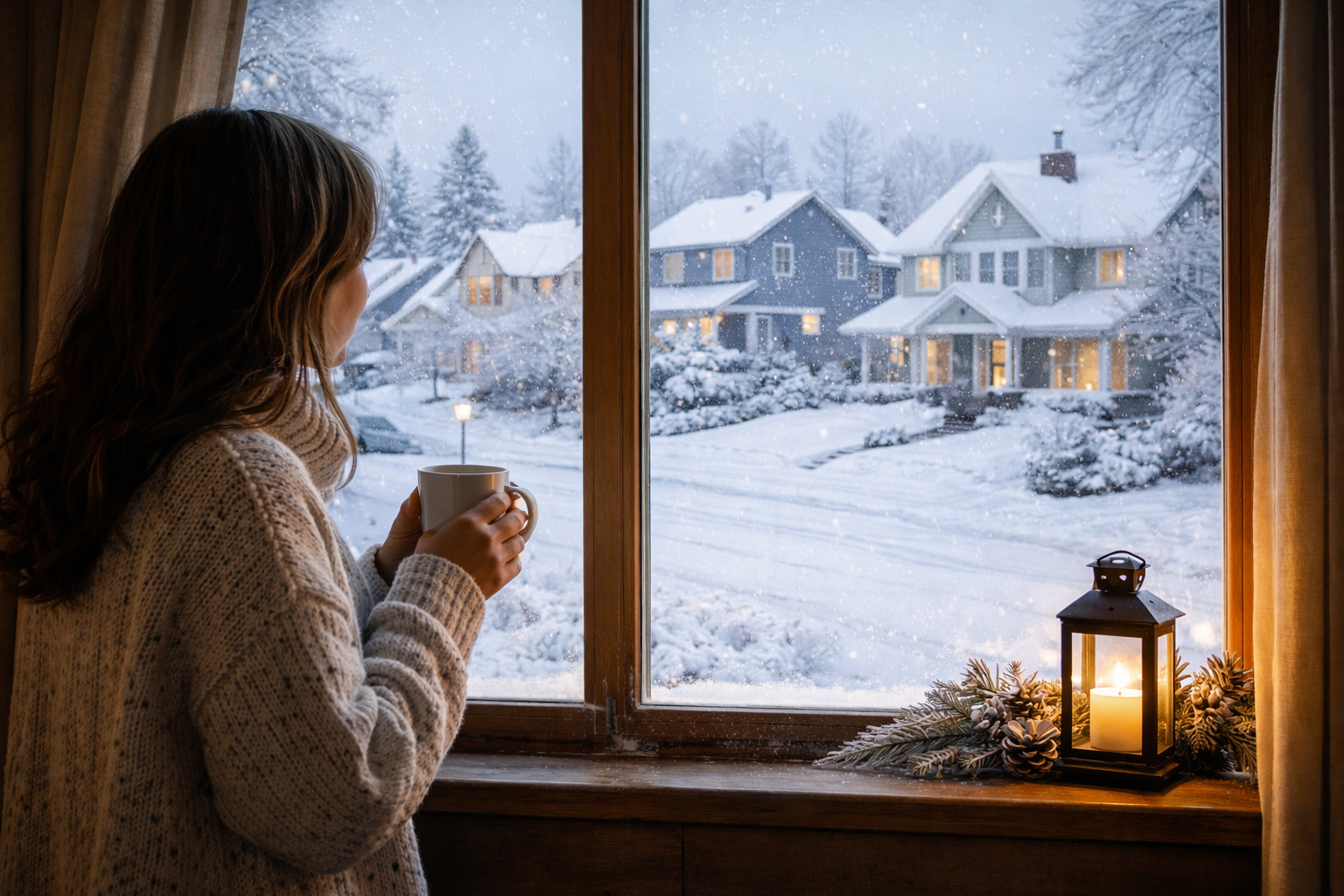
As winter temperatures drop, keeping your home warm becomes a priority - not just for comfort but also for saving on energy costs. The Environmental Protection Agency (EPA) and the Department of Energy (DOE) estimate that air leakage accounts for more than a quarter of the energy used to heat or cool a typical home. Experts say you can make a meaningful difference even without expensive solutions like whole-house insulation or replacing ductwork. "It'll lower your utility bills, it'll make your home more comfortable, and reduce your energy use," said Johanna Neumann, senior director with the advocacy organization Environment America.
Heat loss in the winter often occurs through air leaks and poorly insulated areas in the building envelope (the barrier between the indoor and outdoor environment). These leaks force your heating system to work harder, increasing energy consumption and utility bills. According to EPA estimates, properly sealing and insulating a home could reduce heating and cooling costs by up to 15 percent. Many effective winterization techniques require minimal cost and basic tools.
Neumann said the first step to keep a home warm is finding the air leaks. It is best to look for leaks on a cold or very hot day, when the temperature outside is at least 15 degrees different from what the air is inside. The worst leaks are detectable just by putting a hand up and feeling for a draft around the edge of a door or window. Candles are an effective and low-cost way to find air leaks. First, wait for a windy day and close all the windows and doors. Then light the candle and carry it around the house. If you stop somewhere and the candle's flame flickers, that indicates there's a leak. One way to fix a leak is to apply weatherstripping to movable parts (such as doors and operable windows) to block drafts. Choose materials such as foam, V-strip, or felt based on your specific gaps. Caulk is ideal for sealing small, stationary cracks around window frames, exterior trim, and utility penetrations. Expandable foam tape or clear weather-seal tape can be an easy retrofit for drafty frames and has recently become popular among homeowners seeking low-cost fixes.
Exterior walls often have gaps where electrical outlets, plumbing lines, or recessed lights penetrate. Inexpensive foam gaskets or outlet sealers can block these unseen leaks in minutes. Indoor electrical outlets can also leak because they often don't get properly sealed when they're cut into the drywall or plaster. Cold air in that cavity between the layers of the wall can flow right through the outlet. Neumann uses foam sealers, which are small rectangular sheets that can be installed by unscrewing the sockets, laying the sealer down, and putting the outlet cover back.
Drafts and heat loss typically occur where warm air meets cooler exterior surfaces. Adding insulation in attics, crawl spaces, and basements keeps heat where it belongs. The EPA and ENERGY STAR guides reinforce that insulation works best when combined with proper air sealing. Even basic insulation rolls or "pipe sleeves" around hot water pipes are an inexpensive way to reduce energy loss and protect against freezing. In attics and basements, people can also use caulk guns or spray foam to seal gaps where electric wires and pipes enter walls, ceilings, or floors.
While not strictly "sealing," these measures support overall energy efficiency:
- Programmable or Smart Thermostat: A thermostat that automatically lowers heat at night or when the home is unoccupied can reduce annual heating costs by around 10 percent.
- HVAC Maintenance and Duct Sealing: Leaky ductwork can waste significant heat. Sealing accessible ducts with mastic sealant improves system efficiency and overall comfort.
- Regular Filter Changes: Clean filters ensure optimal airflow and reduce energy waste.
Winterizing your house doesn't require expensive renovations to be effective. With basic materials, a bit of DIY effort, and guidance from reputable sources like the EPA and the DOE, you can significantly reduce heat loss, improve comfort, and cut energy costs. And all of these improvements will help keep your home comfortable during the hot summer months too!