From Simple Spots to Cultural Events: The Evolution of Super Bowl Commercials
Written by Arbitrage • 2026-02-06 00:00:00
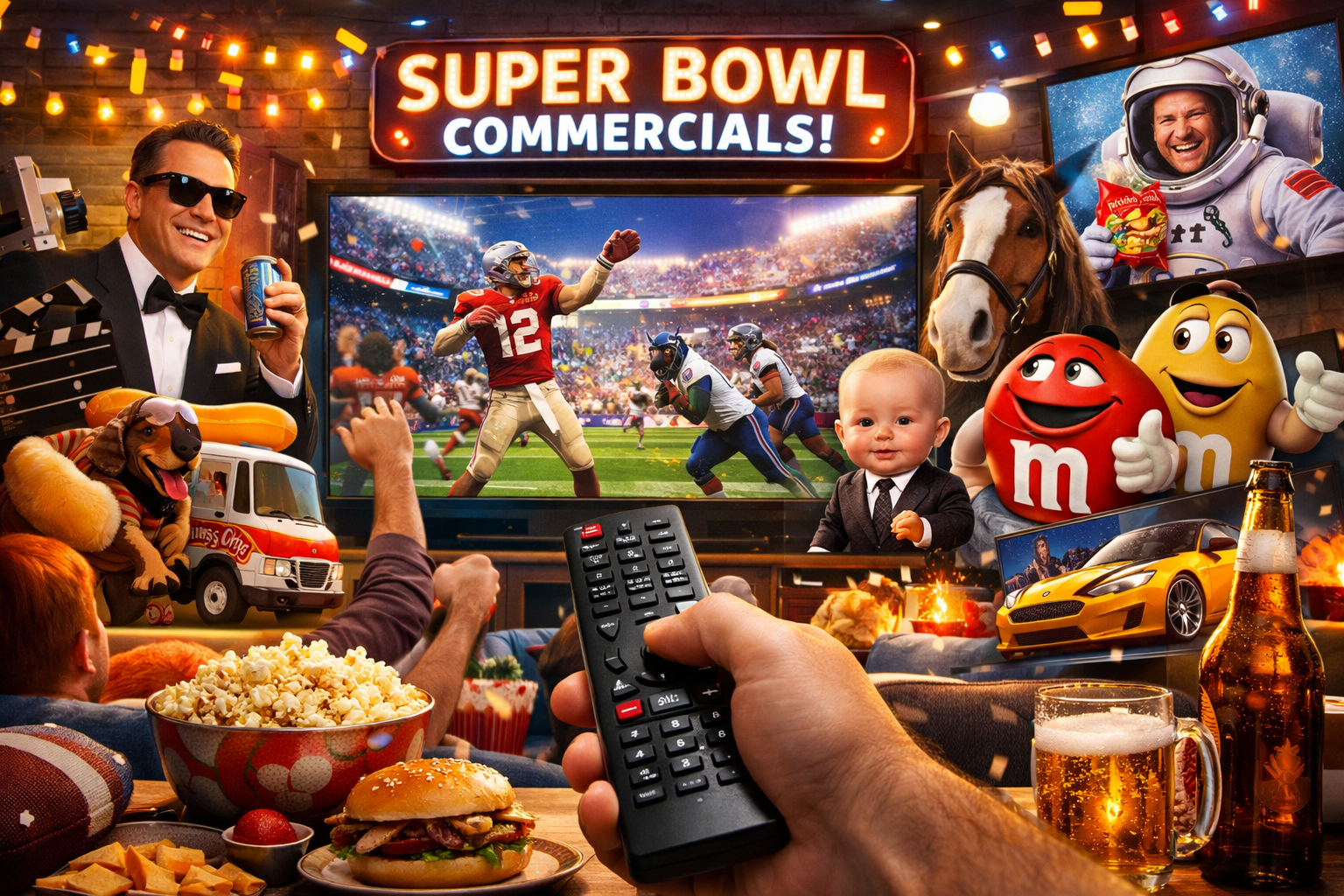
Super Bowl commercials have become almost as famous as the game itself, turning the Super Bowl into a yearly celebration of creativity, humor, and cultural storytelling. Today, millions of viewers tune in not just for touchdowns and halftime performances, but for the ads that often feel like short films or pop culture events. This wasn't always the case, though. In the earliest days of the Super Bowl, commercials were simple and straightforward, designed primarily to show a product and explain why consumers should buy it. The focus was on clear messaging rather than entertainment, and advertisers treated the game like any other high-profile television broadcast.
That mindset began to change in the 1980s, when brands realized the Super Bowl offered something unique: a massive, captive audience watching together in real time. The turning point came with Apple's famous "1984" commercial, directed by Ridley Scott, which introduced the Macintosh computer through a cinematic, story-driven ad inspired by George Orwell's novel. Instead of simply selling a product, the commercial created a mood, a message, and a cultural moment. After that, companies started to view the Super Bowl as a stage for bold creativity, and ad budgets and expectations grew dramatically.
By the 1990s and early 2000s, Super Bowl commercials had fully transformed into must-watch entertainment. Humor became a dominant theme, with brands competing to deliver the funniest or most memorable punchline of the night. Emotional storytelling also took center stage, as companies like Budweiser built long-running traditions around their sentimental Clydesdale ads. Celebrity appearances became more common, with musicians, actors, and athletes showing up in spots designed to feel more like comedy sketches or mini movies than advertisements. For many viewers, the commercials became the highlight of the evening, sometimes even overshadowing the game itself.
Not all of these ads were universally loved, and controversy became part of the Super Bowl commercial legacy as well. Some brands used the massive platform to push boundaries or make social and political statements, sparking debate across news outlets and social media. Companies like GoDaddy became known for provocative ads that were frequently criticized or censored, while more recent campaigns from brands such as 84 Lumber touched on sensitive topics like immigration and national identity. These moments showed that Super Bowl commercials were no longer just about selling products, but about participating in broader cultural conversations.
Another major evolution has been the rise of the Super Bowl as Hollywood's biggest marketing stage. Movie studios now save their most anticipated trailers for this one night, knowing they'll reach one of the largest television audiences of the year. Viewers often get their first look at upcoming blockbusters from Marvel Studios, new chapters in legendary franchises like Star Wars, or long-awaited sequels such as Top Gun: Maverick. These trailers regularly trend online within minutes, turning the Super Bowl into a blend of sports spectacle and entertainment showcase.
In the digital age, Super Bowl commercials now live far beyond the television screen. Many brands release their ads online before the game to build anticipation, while social media allows viewers to instantly react, rank, and share their favorites in real time. A successful commercial today isn't just measured by how it plays during the broadcast, but by how many views, likes, and conversations it generates afterward. This shift has turned a 30-second ad into a multi-day cultural event.
Despite the rising costs, often millions of dollars for just half a minute of airtime, brands continue to invest in Super Bowl commercials because of the unique impact they offer. The game provides a rare opportunity to connect with a massive audience that is fully engaged and watching together, creating a sense of shared experience that few other platforms can match. More than fifty years after those early, product-focused ads, Super Bowl commercials have become a reflection of the times, capturing the humor, values, and conversations of each era. What started as simple marketing has evolved into a yearly showcase of creativity and culture, leaving fans each year wondering not just who will win the game, but which commercial will be remembered long after the final whistle.