The Barber Dime: A Small Coin With Big Market Lessons
Written by Arbitrage • 2026-02-09 00:00:00
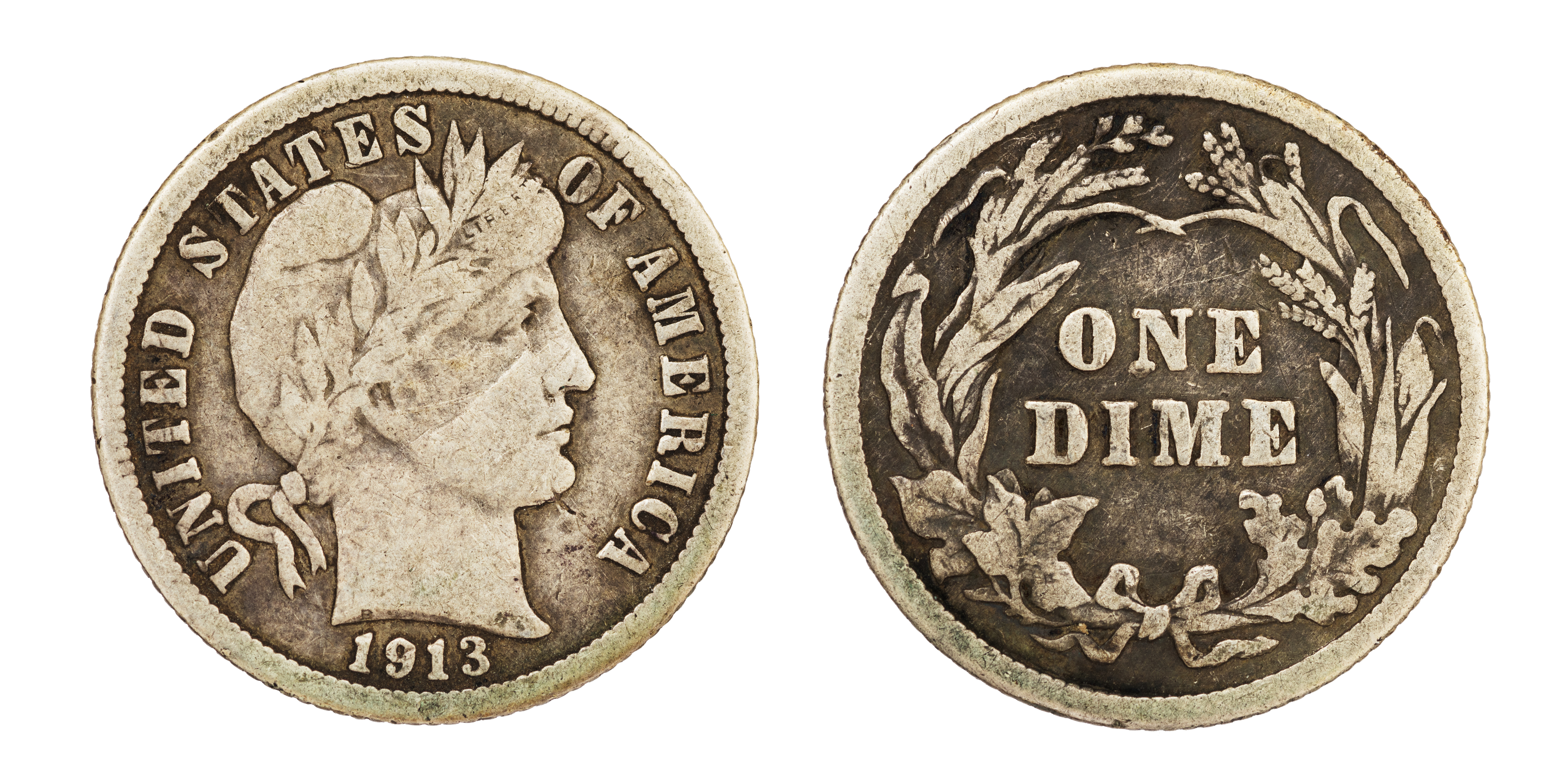
Markets love clean pricing. Coins - especially older silver coins - seem like they should be simple: a known weight, a known purity, a known value. But the "Barber dime" (1892-1916) is a perfect reminder that pricing is never just about the underlying asset. It's about scarcity, demand, condition, and confidence - exactly the same forces that drive modern markets. The Barber dime sits at the intersection of hard-asset value (silver) and collectible premium (numismatics), making it one of the clearest real-world examples of how "intrinsic value" and "market value" can diverge.
What Is a Barber Dime?
The Barber dime was a U.S. 10-cent coin designed by Charles E. Barber, the U.S. Mint's Chief Engraver. It was produced for circulation from 1892 through 1916. According to Stack's Bowers key specs (the "contract terms"), a Barber dime's composition is 90% silver and 10% copper, with a weight of 2.50 grams. The total production was about 504,317,075 circulation strikes and 17,353 proofs. That scale matters: hundreds of millions were made, but survival rates - especially in higher grades - are a different story.
When Did Production Start and Stop?
Production started in 1892 and ended in 1916 - replaced the same year as new designs began rolling out, including the Mercury dime. From a "product cycle" perspective, the Barber dime is a classic example of a long-running design that eventually got replaced once the minimum design term expired and tastes (and policy priorities) changed.
When Did Barber Dimes Stop Circulating?
Barber dimes stopped being minted in 1916, but they didn't instantly disappear from circulation. Silver coins continued to circulate widely until the U.S. changed the composition of coins. The central turning point was the Coinage Act of 1965, which eliminated silver from circulating dimes and quarters. Once that happened, older silver dimes (including Barbers) were increasingly hoarded because their metal value and collectible interest made them worth more than face value. In market terms: when the "underlying" became meaningfully valuable, the public arbitraged circulation by pulling silver out of daily use.
The "Asset Value" Floor: Melt Value
Because the Barber dime is 90% silver, it has a built-in melt value tied to silver prices. The coin's pure silver content is commonly quoted as 0.07234 troy ounces per dime (weight x purity). This creates a familiar pricing framework for traders:
- Melt value = hard floor (commodity-linked)
- Collector premium = volatility (scarcity + demand + condition)
The "Market Premium" Layer: Why Some Barber Dimes Are Worth So Much More
Two Barber dimes with the same year can trade at wildly different prices depending on mint mark and mintage, condition (grade), rarity within the grade, collector demand, and "key date" status. A famous example is the 1894-S Barber dime, one of the most legendary rarities in U.S. coin collecting. Professional Coin Grading Service (PCGS) lists its mintage at 24. Numismatic Guaranty Company (NGC) notes that out of those 24 that were struck, only a small number are confirmed today. Think of it like a micro-float stock: tiny supply, strong demand, and price discovery that can gap dramatically at auction.
So... What Are Barber Dimes "Worth"?
There isn't one answer because Barber dimes price like a market with two components:
- Commodity component (silver) - This moves with spot silver, setting a baseline.
- Numismatic component (rarity/grade) - This is where prices can range from modest to extreme. NGC's price guide, for example, shows wide ranges depending on date and grade (even for non-ultra-rare years).
Why This Matters for a Market-Minded Reader
The Barber dime is a miniature lesson in how markets actually work:
- Scarcity drives premium: identical "underlyings" can trade at different prices when supply is constrained.
- Narrative matters: key dates and famous stories attract demand the way "story stocks" do.
- Regime shifts change behavior: after 1965, silver coins were removed from circulation because incentives changed.
The market is the model: the "true value" is what buyers will pay today - whether you're trading futures, Forex, or a small silver dime.
Quick "Barber Dime" Checklist (For Collectors and Traders)
If you're evaluating a Barber dime, start here:
- Confirm it's 1892-1916
- Verify it's 90% silver (and not a later clad dime)
- Look for a mint mark on the reverse (if present)
- Watch for key-date dynamics (especially 1894-S)
- Separate "melt value" from "collector value"