Eating with the Seasons: Why Fresh, Local Foods Support Better Health
Written by Arbitrage • 2026-03-02 00:00:00
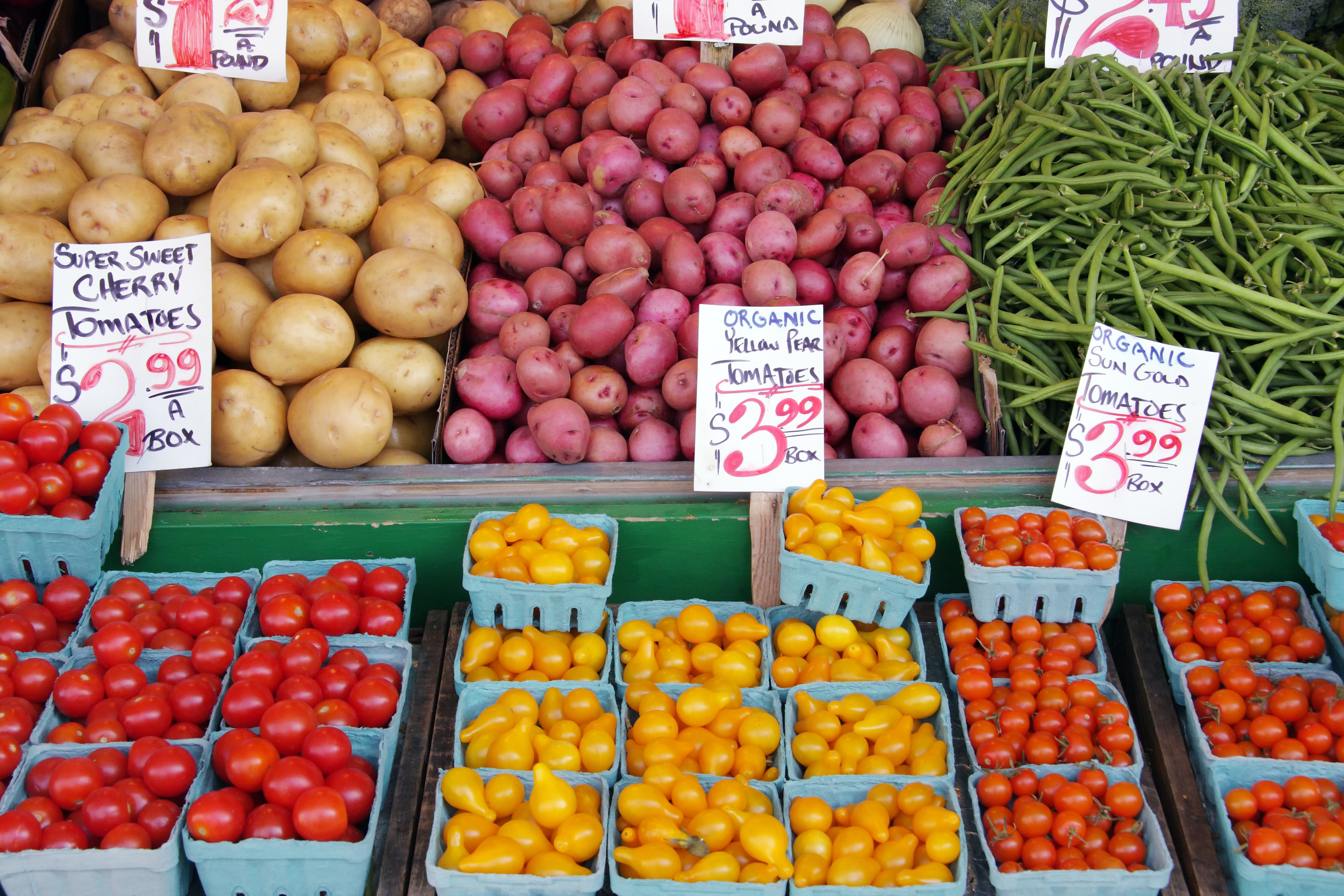
In a world where nearly any food is available year-round, it's easy to forget that our bodies evolved to eat what the land naturally provides each season. Seasonal eating means choosing fresh, whole foods that are grown locally and harvested at their natural peak. Beyond supporting local farmers, this approach offers powerful health benefits that come from freshness, nutrient density, and a more balanced way of eating.
More Nutrients at Peak Freshness
Fruits and vegetables begin to lose nutrients soon after harvest. Produce that travels long distances or sits in storage for weeks often contains fewer vitamins and antioxidants than food picked recently. For example, your typical grocery store apple is at least a year old. Seasonal foods from local farm stands are typically harvested at peak ripeness, which means they retain more of the nutrients your body needs for energy, immune support, and overall wellness.
Fewer Additives and Processing
Locally grown, seasonal foods are often sold in their natural state. Without the need for long shipping times or extended shelf life, there is less reliance on preservatives, wax coatings, or early harvesting. Eating whole foods in season encourages a diet built around fresh ingredients instead of packaged or heavily processed alternatives.
Natural Variety Throughout the Year
Seasonal eating naturally creates dietary balance. In warmer months, the body benefits from hydrating foods like berries, cucumbers, tomatoes, and leafy greens. In cooler months, heartier options such as squash, root vegetables, and apples provide fiber, sustained energy, and comfort. This rotation helps ensure a wider range of nutrients over time without the need to plan complicated diets.
Better Flavor, Less Sugar Craving
Produce grown and harvested in season simply tastes better. When fruits and vegetables are naturally sweet and flavorful, there is less desire for added sugars or processed snacks. Over time, this shift can help support stable energy levels and healthier eating habits.
Supporting Gut and Immune Health
A diet rich in fresh, seasonal plant foods provides fiber and natural plant compounds that support digestion and gut health. A healthy gut plays a key role in immune function, inflammation control, and even mood regulation. Eating a wide variety of seasonal plants helps nourish beneficial gut bacteria and supports long-term health.
A Connection to Food and Community
Buying from local farm stands or farmers' markets creates a closer connection to where food comes from. It encourages mindful eating, reduces transportation-related environmental impact, and supports local agriculture. This connection often leads to more intentional food choices and a greater appreciation for whole, simple ingredients.
The Takeaway
Seasonal eating isn't about restriction - it's about returning to freshness, simplicity, and balance. Choosing whole foods grown locally and harvested at peak ripeness can improve nutrient intake, support digestion and immunity, and naturally encourage healthier eating patterns. By aligning your diet with the seasons, you give your body what it needs, when it needs it, while supporting your local community.