Why Fish Sometimes Die in Large Numbers During Cold Ocean Events
Written by Arbitrage • 2026-03-16 00:00:00
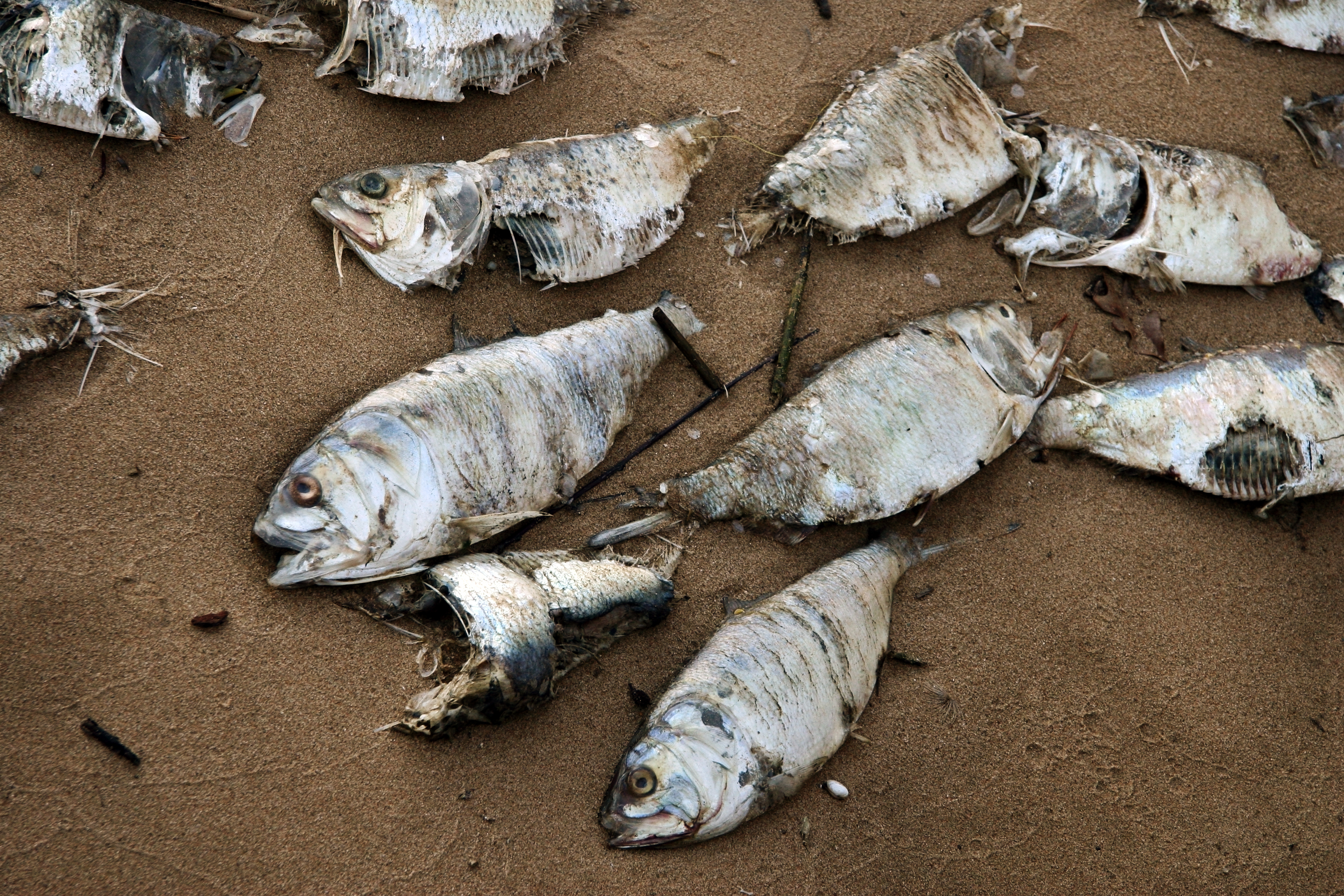
Occasionally, coastal communities wake up to unsettling news: thousands of fish have washed ashore or are floating lifeless near the surface. While it may look alarming, large fish die-offs during sudden cold periods in the ocean are a relatively well-understood natural phenomenon. These events are often linked to rapid temperature changes that marine species are simply not equipped to survive.
Cold Shock in Marine Life
Fish are ectothermic, meaning their body temperature depends on the surrounding water temperature. When ocean temperatures drop suddenly, some species cannot adjust quickly enough. This can cause what scientists call "cold shock." Cold shock affects fish in several ways. Their metabolism slows dramatically, their immune systems weaken, and basic bodily functions such as swimming and respiration can become impaired. If the temperature drops below what a species can tolerate, the fish may become immobile or die. This is especially common in species that normally live in warmer waters but temporarily move into cooler regions.
Sudden Weather Changes and Ocean Currents
Cold ocean events are often caused by abrupt weather shifts or changes in ocean currents. Strong cold fronts, winter storms, or upwelling events can quickly push much colder water into coastal areas. When this happens, fish that are accustomed to warmer conditions may not have enough time to migrate to deeper or warmer water. Large groups of fish can therefore experience the same stress simultaneously, leading to visible die-offs.
Some Species Are More Vulnerable
Not all fish respond the same way to temperature drops. Tropical and subtropical species are typically the most vulnerable because their bodies evolved to function within a narrow temperature range. For example, species that thrive in warm coastal waters may struggle when temperatures fall even a few degrees below their normal range. Younger fish and smaller species are also more susceptible because they have fewer energy reserves to cope with environmental stress.
Low Oxygen Can Make It Worse
Cold snaps can sometimes coincide with other environmental changes that further stress marine ecosystems. One factor is dissolved oxygen levels in the water. When ocean conditions shift rapidly, mixing of water layers can temporarily reduce oxygen availability in certain areas. Fish already weakened by cold temperatures may struggle to obtain sufficient oxygen, accelerating mortality in large groups.
Why It Looks So Dramatic
Mass fish die-offs tend to attract attention because they happen suddenly and involve large numbers of animals. In reality, the ocean regularly experiences natural fluctuations in temperature, oxygen levels, and food availability. When environmental stress affects schooling species - such as fish that travel in large groups - the result can be thousands of individuals affected at once, creating a dramatic scene along beaches or in coastal waters.
A Natural but Monitored Event
While many cold-related fish kills are natural events, scientists and environmental agencies still monitor them carefully. Researchers study these events to determine whether they are part of normal seasonal cycles or linked to broader environmental changes. In most cases, ecosystems recover quickly. Marine life is highly adaptable, and populations often rebound as temperatures stabilize and conditions return to normal.
Understanding Ocean Changes
Seeing large numbers of fish die can be disturbing, but these events often reflect the delicate balance of marine ecosystems rather than a sudden environmental disaster. Cold-water events remind us how closely marine life is tied to ocean temperature and climate patterns.
As researchers continue to study ocean conditions and marine ecosystems, understanding these natural processes helps communities interpret what they see along the shoreline and better appreciate the complexity of life beneath the waves.