From Liquor Stores to Local Bars
Written by Arbitrage • 2026-03-03 00:00:00
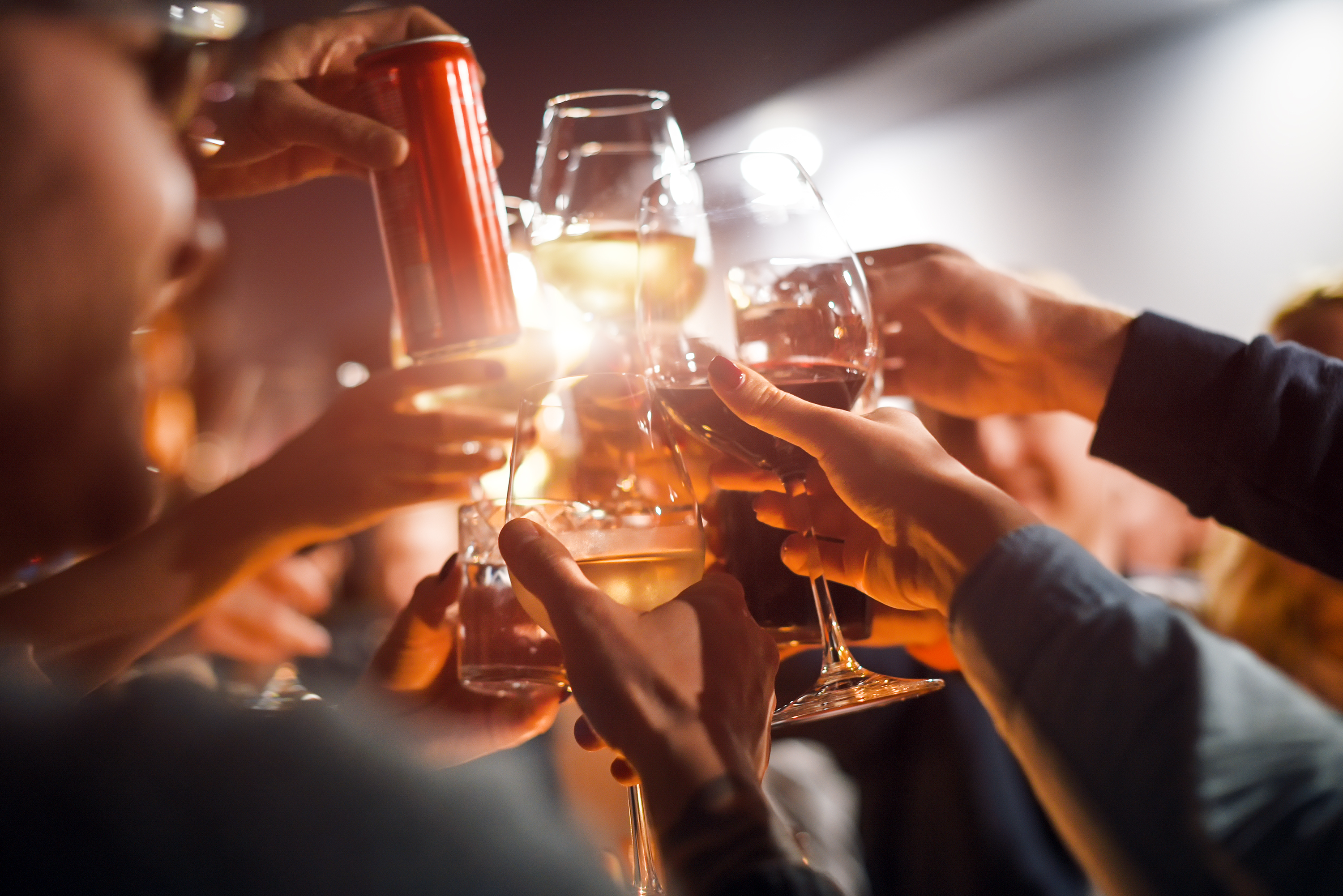
In the latest data on American alcohol consumption and spending, a striking shift is taking shape: how and where people are drinking is changing, and that change is being reflected in the numbers. Even though alcohol spending as a share of overall expenditures sits around a 40-year low, a recent Bank of America Institute analysis of credit and debit card transactions showed that spending on alcoholic beverages at bars and similar on-premise venues in the United States has climbed about 4% year-over-year since the beginning of 2025. But retail purchases of alcohol for home consumption have declined by roughly 5% over the same period. This divergence highlights a growing preference for social drinking experiences outside the home and underscores broader shifts in lifestyle and spending patterns across age groups. Bureau of Labor Statistics (BLS) data provides additional clarity on the trend. Average household expenditures on alcoholic beverages consumed at home have fallen from $316 in 2019 to $269 in 2024 (an approximate 15% drop), even as grocery inflation has surged by nearly 28%. At the same time, spending on alcohol consumed away from home increased from $263 to $374 on average over the same period. This suggests that the retreat from at-home drinking isn't simply about cutting costs but could be tied to shifting consumer priorities.
What is driving this split in spending? Economists and consumer analysts point to several converging factors. Bank of America economist Joe Wadford argues that the decrease in at-home alcohol spending isn't primarily inflationary; prices aren't so much the culprit as declining consumption. He notes a marked reduction in binge drinking among younger adults, with about 4 million fewer people aged 21-34 engaging in heavy drinking over the past decade, based on federal data. At the same time, younger consumers are allocating more of their discretionary dollars to activities that emphasize health, wellness, and experiences, with spending on fitness-related pursuits like gym memberships growing faster than spending on bar visits for Generation Z.
Experts also suggest that evolving attitudes toward alcohol play a role. Broader research outside of the Bank of America data shows long-term declines in drinking rates among U.S. adults, with some polls indicating that a record-low share of Americans now report regular alcohol consumption. This trend correlates with rising health concerns about the impacts of alcohol and seems especially pronounced among younger generations, who are more likely to see drinking as detrimental to health.
Industry observers caution, however, that declining retail sales don't necessarily mean that Americans are giving up alcohol altogether. Instead, the patterns point to selective moderation where people may be choosing to drink less frequently at home but still value the social context of going out with friends or celebrating special occasions. From this perspective, the rise in bar and restaurant alcohol spending signals not just a recovery from pandemic-era habits but a redefinition of what social drinking looks like in this post-pandemic economy.
There is also speculation that alternative forms of recreation and consumption (such as cannabis products in states with legalized access) could be filling some of the space that alcohol once occupied. While this substitution effect is harder to quantify at a national level, health professionals point to increased marijuana use among adults and suggest that for some drinkers, THC products may be perceived as a "healthier" or more socially acceptable option than alcohol.
Overall, the numbers paint a nuanced picture. Americans are spending less on alcohol overall, especially at liquor and beer stores, while spending more on social drinking occasions at bars. This division reflects broader cultural and economic shifts, with a focus on balancing moderation with social experience and wellness-oriented lifestyles. The result is a transformed alcohol market where changing consumption priorities are reshaping where and how people choose to drink.