The Daily Edge: Why Routine Is the Ultimate Longevity Strategy
Written by Arbitrage • 2026-04-22 00:00:00
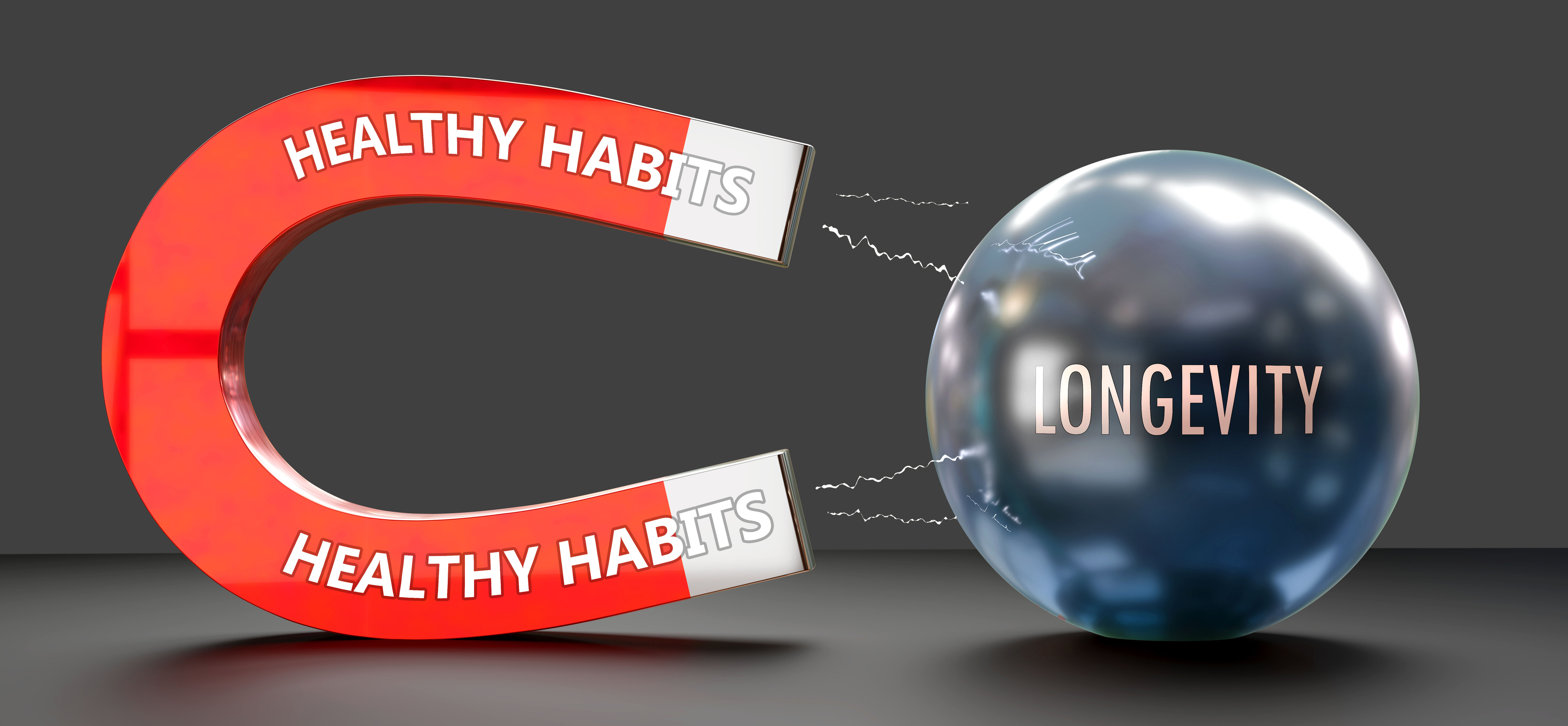
Aging is often framed as something that happens to us. In reality, it is something we shape quietly and consistently through the habits we repeat every day. While breakthroughs in medicine and technology continue to extend lifespan, the most powerful driver of longevity remains far simpler: a disciplined daily health regimen.
Consistency Over Intensity
Many people approach health with an all-or-nothing mindset, relying on intense workouts, strict diets, or short-lived bursts of discipline. But as we age, the body responds far better to consistency than intensity. Daily movement, balanced nutrition, hydration, and proper sleep form the foundation of long-term health. These aren't glamorous habits, but they are sustainable, and sustainability is what compounds over time. A 20-minute walk every day will outperform sporadic high-intensity efforts. A consistent sleep schedule will do more for recovery than occasional "catch-up" rest. Small actions, repeated daily, create lasting physiological change.
Movement Is Non-Negotiable
One of the most significant predictors of longevity is mobility. As the body ages, muscle mass declines, joints stiffen, and balance can weaken. Without intentional movement, this decline accelerates. A daily regimen should include strength training (to preserve muscle and bone density), cardiovascular activity (to support heart health), and mobility work (to maintain flexibility and prevent injury). Movement is not just about fitness; it's about maintaining independence and quality of life.
Nutrition as a Long-Term Investment
Food is more than fuel; it is information for the body. Over time, nutrition choices influence inflammation levels, metabolic health, and even cognitive function. A longevity-focused approach emphasizes whole, nutrient-dense foods, adequate protein intake to support muscle maintenance, healthy fats for brain and hormonal health, and limiting highly processed foods and added sugars. Rather than restrictive dieting, the goal is to create a repeatable, balanced approach that supports the body daily.
The Overlooked Pillars: Sleep and Stress
Sleep and stress management are often underestimated, yet they play a critical role in aging well. Chronic stress accelerates cellular aging, while poor sleep disrupts recovery, hormonal balance, and cognitive performance. A strong daily routine creates structure that helps regulate both. Simple practices like maintaining consistent sleep and wake times, reducing screen exposure before bed, and incorporating mindfulness or quiet time can significantly improve long-term outcomes.
Routine Builds Resilience
Life becomes more unpredictable over time, with responsibilities increasing, energy fluctuating, and external stressors evolving. A daily health regimen acts as a stabilizing force. Routine reduces decision fatigue. It creates automatic behaviors that support health even when motivation is low. And most importantly, it builds resilience, both physically and mentally.
Longevity is a Compounding Effect
In many ways, health mirrors investing. The earlier and more consistently you invest in your body, the greater the return over time. There is no single breakthrough that guarantees longevity. Instead, it's the accumulation of daily habits in movement, nutrition, recovery, and discipline that determines long-term outcomes. The goal isn't just to live longer. It's to live better for longer.
The Bottom Line
A daily health regimen isn't about perfection; it's about consistency. As the years pass, the gap widens between those who maintain intentional routines and those who don't. Longevity is not found in extremes. It is built in the quiet discipline of showing up for your health every single day.