From Fast Food to Fine Dining
Written by Arbitrage • 2026-04-24 00:00:00
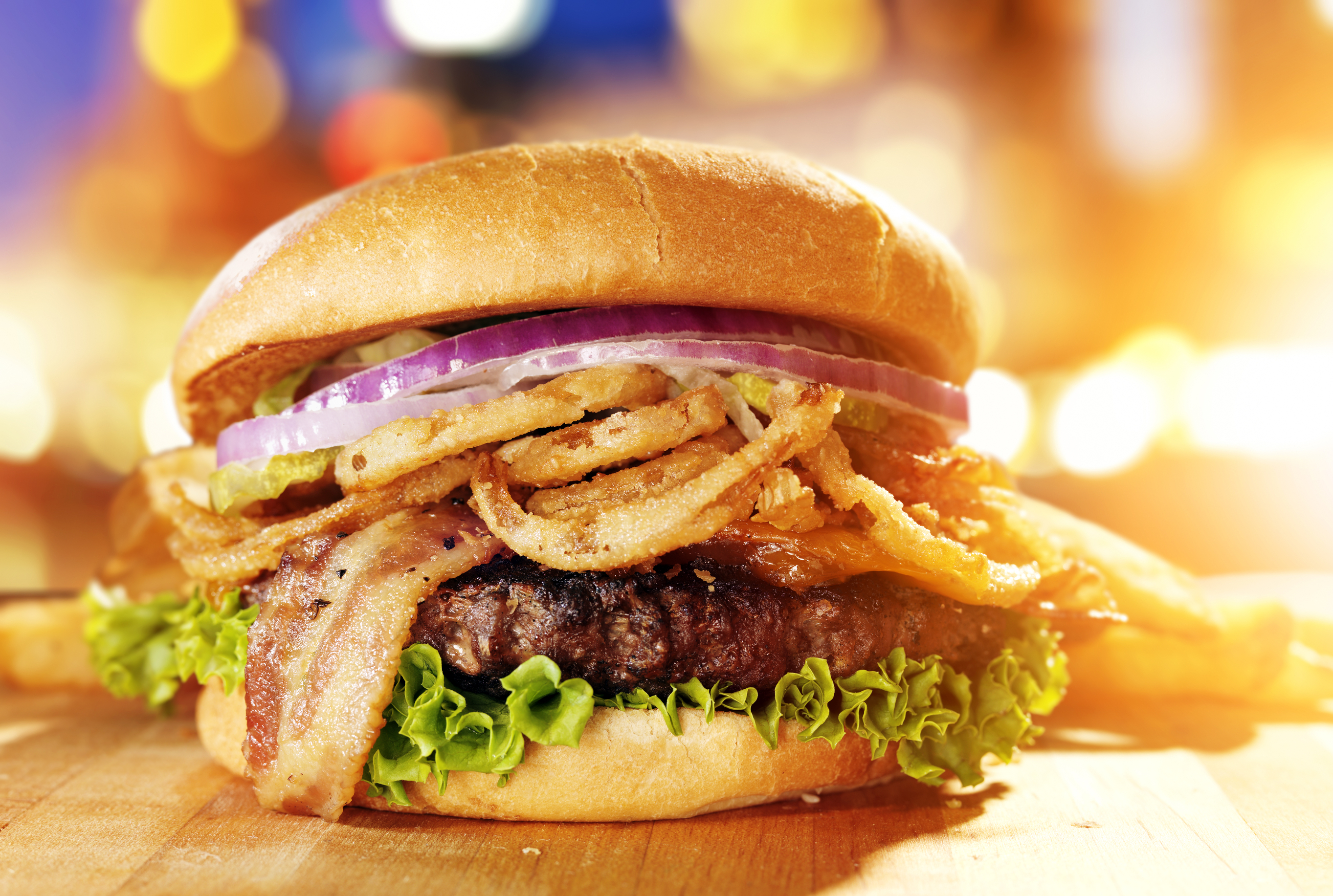
Long considered one of America's most affordable foods, the humble burger is quietly undergoing a transformation. In cities across the country, menus are increasingly filled with $18, $22, and even $30 burgers topped with ingredients like truffle aioli, wagyu beef, caramelized onions, and artisanal cheeses. What used to be fast food is now, in many cases, positioned as a premium dining experience. This shift toward "luxury burgers" is being driven by a combination of economic pressure, evolving consumer expectations, and a strategic recalibration by restaurants trying to survive in a high-cost environment.
At the center of the trend is a simple but powerful force: the rising cost of beef. In 2026, ground beef prices are now around $6.70 per pound, up roughly 14-16% year over year, with some cuts seeing even steeper increases. According to the U.S. Department of Agriculture, beef and veal prices were already 14.4% higher in early 2026 compared to the previous year, and are expected to continue rising. The reasons are structural, not temporary. The U.S. cattle herd has shrunk to historically low levels after years of drought, high feed costs, and supply chain disruptions, creating a supply-demand imbalance that experts say could take years to correct. As one industry analyst put it, the market is facing "tight cattle supplies" with no quick resolution in sight.
Restaurants are feeling that pressure acutely, but the way they've responded is more nuanced than simply passing costs directly to customers. Data from Restaurant Dive shows that while beef production costs have risen about 32% over the past two years, burger menu prices have increased only about 14%. That gap tells an important story. Operators are hesitant to dramatically raise prices on something as visible and psychologically anchored as a burger. Instead, many are reframing the product itself. By upgrading ingredients and labeling burgers as "premium," restaurants can justify higher prices without appearing to simply inflate costs.
This is where the luxury burger trend truly takes shape. Rather than selling a basic cheeseburger for $10, restaurants are offering a "chef-driven" version for $18 or more, featuring brioche buns, grass-fed beef, specialty sauces, and imported cheeses. It is more about perceived value than just cost recovery. A restaurant owner interviewed by Restaurant Dive explained that pricing decisions are increasingly strategic, noting that operators are "balancing costs across the rest of the menu" while carefully managing high-visibility items like burgers. In other words, if a burger is going to be expensive, it needs to look and taste like it deserves to be.
Perhaps surprisingly, customers are not entirely resisting the shift. Despite the higher prices, demand for beef remains strong. That resilience is partly cultural. Burgers still carry a sense of comfort and familiarity, making them one of the few indulgences people are willing to pay extra for. One diner acknowledged the trade-off directly, saying that in general restaurant meals have become a luxury, but still worth it for special occasions. For many consumers, the occasional $20 burger feels more justifiable than a $50 steak - even if both are rising in price.
There's also a psychological dimension at play. Since 2020, some restaurant menu items have seen price increases exceeding 50% in certain markets. In an era where dining out is less frequent due to this inflation, consumers are increasingly treating meals as experiences rather than routine purchases. A basic burger no longer fits that expectation. A gourmet burger with its unique toppings, high-quality beef, and a curated presentation does. A market research company noted that menu innovation and customization are key drivers of growth in the burger market, reflecting a broader shift toward experiential dining. In this context, luxury burgers aren't just a response to higher costs; they are part of a larger evolution in how people think about food.
So are luxury burgers a direct result of rising beef prices? Partly, but not entirely. Higher input costs are the catalyst, forcing restaurants to rethink pricing and margins. But the response has been creative rather than purely reactive. By elevating the burger into a premium offering, restaurants are turning a cost problem into a positioning opportunity. The result is a menu item that reflects both inflation and innovation as a symbol of how even the most familiar foods are being reshaped by today's economic realities.