Spring Is Back: Outdoor Activities, Local Markets, and the Etiquette That Makes It All Work
Written by Arbitrage • 2026-05-06 00:00:00
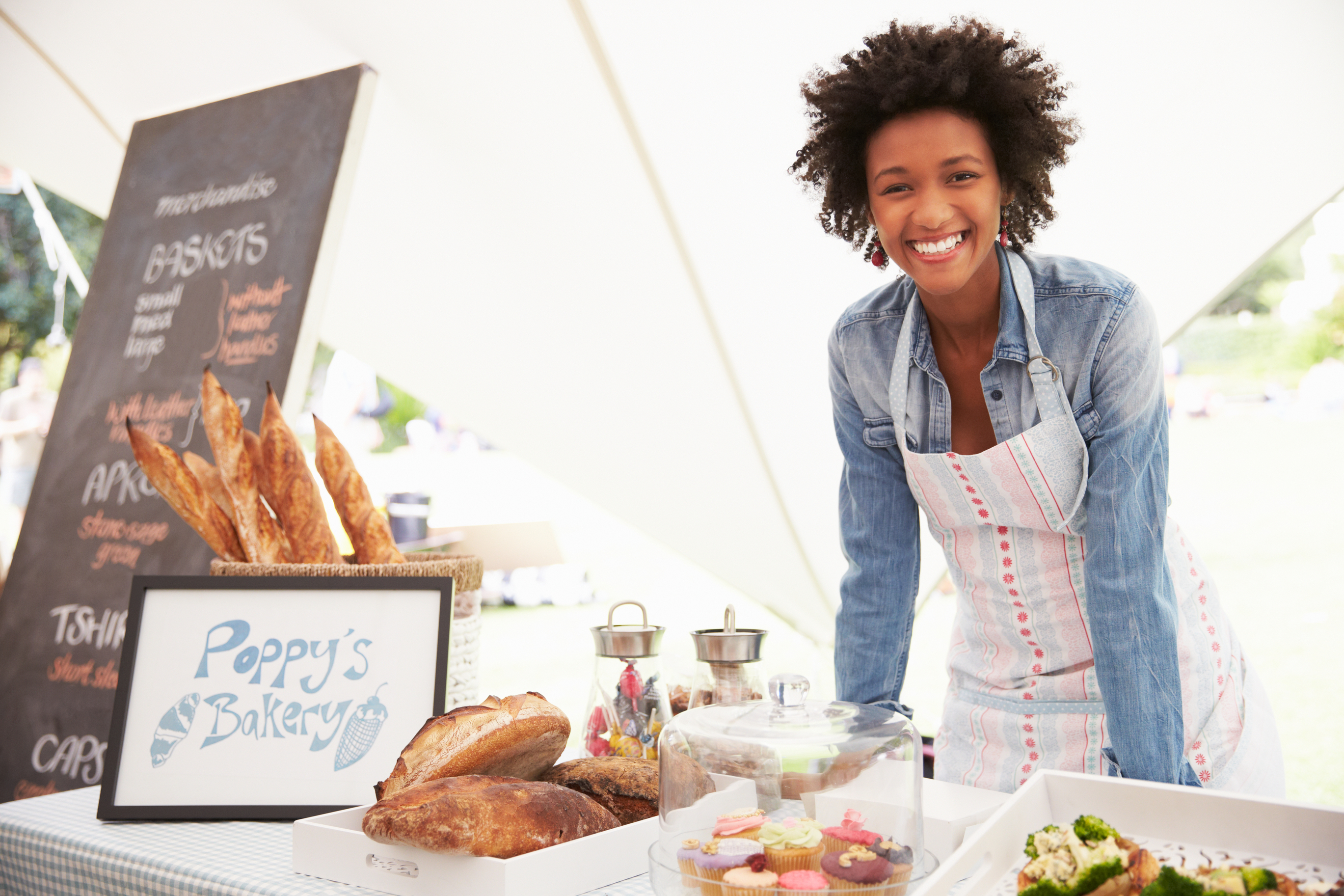
As the weather warms and the days stretch longer, people naturally move back outdoors. Parks fill up, patios reopen, and weekend routines shift toward fresh air and community-driven experiences. One of the most popular seasonal traditions is local farmers' markets. While these environments feel casual and relaxed, there is an underlying structure and unspoken etiquette that keeps everything running smoothly. Whether you're attending or setting up a booth, understanding that structure makes the experience better for everyone.
The Appeal of Outdoor Markets and Activities
Spring and early summer bring a natural reset. People are drawn to farmers' markets,
outdoor festivals, pop-up shops, local vendor events, community gardens, and food stands. These spaces offer more than just products; they create connections. You are not just buying produce or handmade goods; you're engaging with local businesses and participating in a shared experience.
For Visitors: How to Participate Thoughtfully
From the outside, a market may feel like a free-flowing environment. But a little awareness goes a long way.
- Respect the Space: Booths are often small, and vendors rely on visibility and accessibility. Avoid blocking tables or crowding displays if you're browsing casually.
- Be Intentional with Questions: Vendors love sharing information about their products, but during busy periods, keeping questions focused and respectful helps them serve everyone efficiently.
- Handle Products Carefully: Whether it's fresh produce or handmade goods, treat items with care. If you're unsure, ask before touching.
- Support When You Can: Even small purchases make a difference. Many vendors depend on these events as a primary revenue source.
For Vendors: Setting the Tone Matters
If you're the one behind the table, your role goes beyond selling; you are creating the experience.
- Presentation Is Everything: A clean, organized booth draws people in. Clear pricing, visible products, and a welcoming layout make interaction easy and inviting.
- Be Approachable, Not Overbearing: A simple greeting can go a long way. Let customers browse comfortably while staying available to engage when needed.
- Know Your Product: Customers are increasingly interested in where things come from and how they’re made. Being able to confidently explain your process builds trust.
- Manage Flow During Busy Times: Markets can get crowded quickly. Staying calm, organized, and efficient ensures you don't lose opportunities or overwhelm customers.
The Unspoken Balance
What makes outdoor markets successful is balance. Visitors want a relaxed, enjoyable experience. Vendors need structure to operate efficiently. When both sides understand their role, the environment works seamlessly. It's not unlike how any well-functioning system will have clear expectations, respect for process, awareness of others, and an understanding of why it matters more than you think.
At a glance, farmers' markets and outdoor events seem simple. But they are actually a microcosm of something bigger: how communities support local economies. Every purchase, interaction, and conversation contributes to small business sustainability, local supply chains, and community engagement. These aren't just weekend activities. They are part of a broader ecosystem that relies on participation and mutual respect.
The Bottom Line
Warmer weather invites people outside, but it also invites opportunity. Whether you're exploring a local market or running a booth, understanding the etiquette behind these spaces transforms the experience from casual to meaningful. Because at the end of the day, it's not just about what you buy or sell, it's about how you show up.