Choosing Safer Sunscreen This Summer
Written by Arbitrage • 2026-06-05 00:00:00
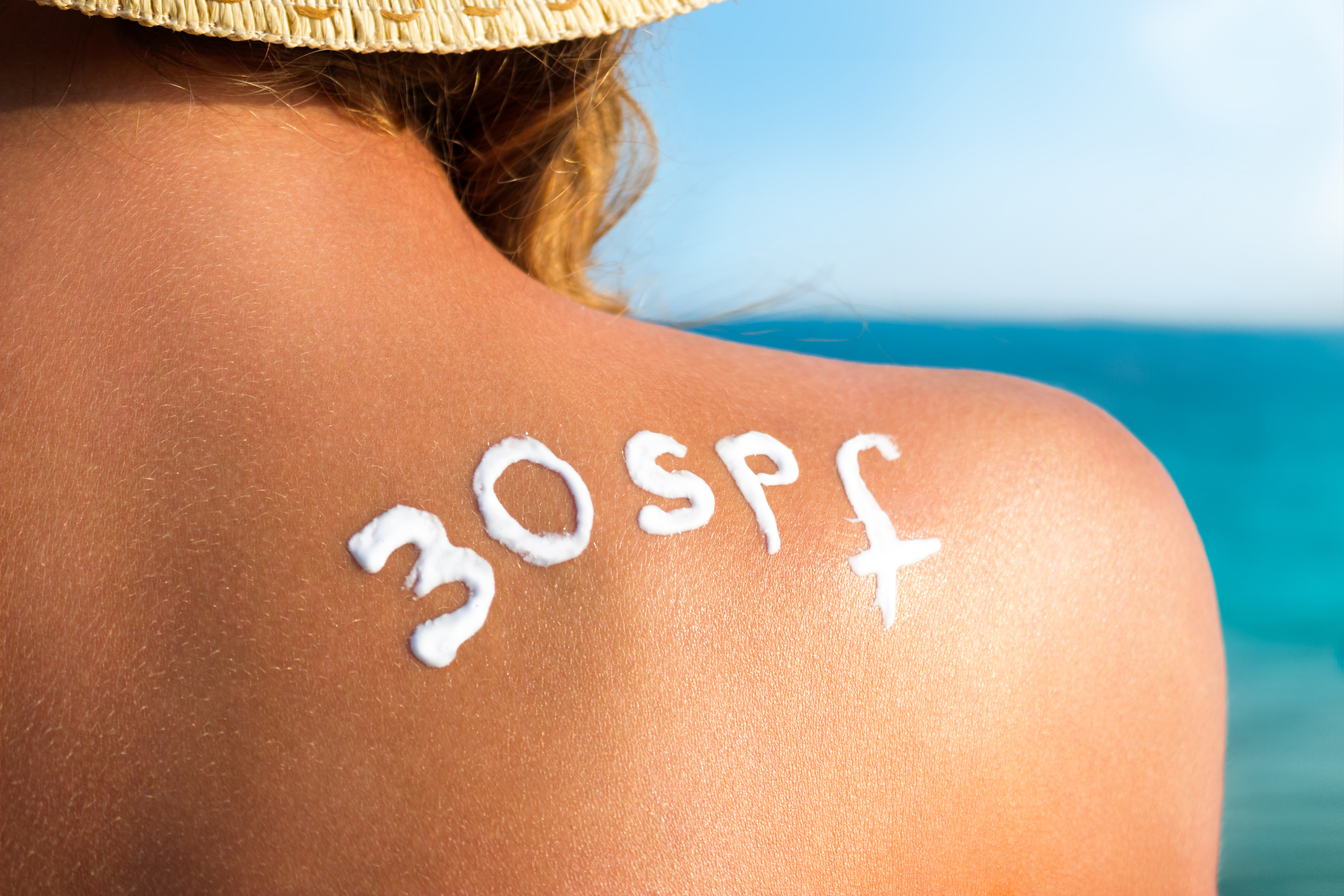
Sunscreen has become one of the most widely recommended tools for preventing skin cancer, but growing concerns about certain ingredients and product contamination have left many consumers wondering what is actually safe to put on their skin. Dermatologists and oncologists still overwhelmingly agree that sunscreen remains essential. According to the Skin Cancer Foundation, regular use of SPF 15 sunscreen can reduce the risk of squamous cell carcinoma by about 40% and melanoma by roughly 50%. Yet experts also say consumers should pay closer attention to the type of sunscreen they buy, how it is manufactured, its expiration date, and whether it has been recalled.
One of the biggest things consumers should look for is "broad-spectrum" protection, which means the sunscreen blocks both UVA and UVB rays. Dermatologists also recommend an SPF of at least 30, along with water resistance if the product will be used outdoors or during exercise. Many physicians encourage mineral-based sunscreens that use zinc oxide or titanium dioxide because they sit on top of the skin rather than relying on chemical absorption. Some chemical filters such as oxybenzone and octocrylene have faced scrutiny after studies found they can be absorbed into the bloodstream after repeated use. Associate Professor of Dermatology Dr. Christopher Bunick of Yale Medicine has said concerns surrounding sunscreen chemicals are "more about manufacturing and quality control" than sunscreen itself, emphasizing that ultraviolet radiation exposure remains the far greater cancer risk.
Much of the recent controversy has centered around benzene contamination. Benzene is a known carcinogen linked to leukemia and other blood disorders, and independent testing in 2021 found detectable levels of benzene in 78 sunscreen and after-sun products. Testing reported by the Canadian Dermatology Association showed that roughly 27% of sampled products contained detectable contamination, with aerosol sprays accounting for many of the highest readings. That discovery eventually led to voluntary recalls involving products from major brands including Neutrogena and Aveeno. The U.S. Food and Drug Administration (FDA) has stated that consumers should avoid recalled sunscreens but continue using sunscreen overall because the danger posed by UV radiation is well established.
Another safety concern involves spray sunscreens. While convenient, sprays may increase the risk of inhaling ingredients or contaminants - especially benzene or other volatile compounds. Several dermatology groups have urged consumers to avoid spraying directly onto the face and to use lotions or creams for children whenever possible. Studies published in environmental health journals have also detected volatile organic compounds such as benzene, toluene, and styrene in a large percentage of sunscreen samples tested, although researchers caution that the long-term health implications are still being studied.
The Environmental Working Group (EWG) recently published their 20th annual "Guide to Sunscreens." This year, they analyzed 2,784 products and found that only 550 (about 20%) deliver safe and effective protection against the harmful rays of the sun. Despite the headlines, oncologists continue to stress that avoiding sunscreen altogether is not the answer. Dermatologist Dr. Sherrie Bullard of Cleveland Clinic put it bluntly, "Don't stop using sunscreen," since skin cancer remains the most common cancer in the United States. Experts say the smartest approach is choosing reputable brands, checking FDA recall notices, avoiding expired products, and reapplying sunscreen properly every two hours when outdoors. The evidence is clear: while sunscreen manufacturing standards still need improvement, the proven dangers of ultraviolet exposure remain far more immediate than the unresolved questions surrounding modern sunscreen formulas.