Building Hurricane Resilience
Written by Arbitrage • 2026-06-19 00:00:00
Every year, cities, island nations, and smaller coastal countries begin preparing for hurricane season (which is June 1-November 30) months before the first storm forms. While residents often focus on stocking up on batteries and bottled water, governments and utility operators undertake much larger efforts to protect critical infrastructure. Hurricanes can knock out electricity, disrupt cellular networks, contaminate drinking water supplies, and interrupt food deliveries for weeks. As storms have become more destructive and costly over the years, many communities have invested heavily in resilience projects designed to keep essential services operating even during major disasters. Federal Emergency Management Agency (FEMA) and utility planners emphasize that preparation before a storm is often the most important factor in how quickly a community recovers afterward.
One of the biggest priorities is protecting the power grid. Utilities strengthen electrical infrastructure by replacing vulnerable poles, trimming trees near power lines, elevating substations above flood levels, building flood barriers, and burying critical lines underground. For example, Puerto Rico's post-Hurricane Maria grid modernization plan included billions of dollars in investments specifically intended to fortify the island's electrical system against future hurricanes. Some utility companies are deploying automated "self-healing" technologies that can isolate damaged sections of the grid and reroute electricity. According to industry reports, these systems can reduce the number of customers affected by outages by as much as 7%, while some utilities report that more than 75% of their customers now benefit from such technology. In addition, microgrids powered by solar panels, batteries, or backup generators are increasingly used to keep hospitals, emergency shelters, and water treatment facilities operating even when the main grid fails.
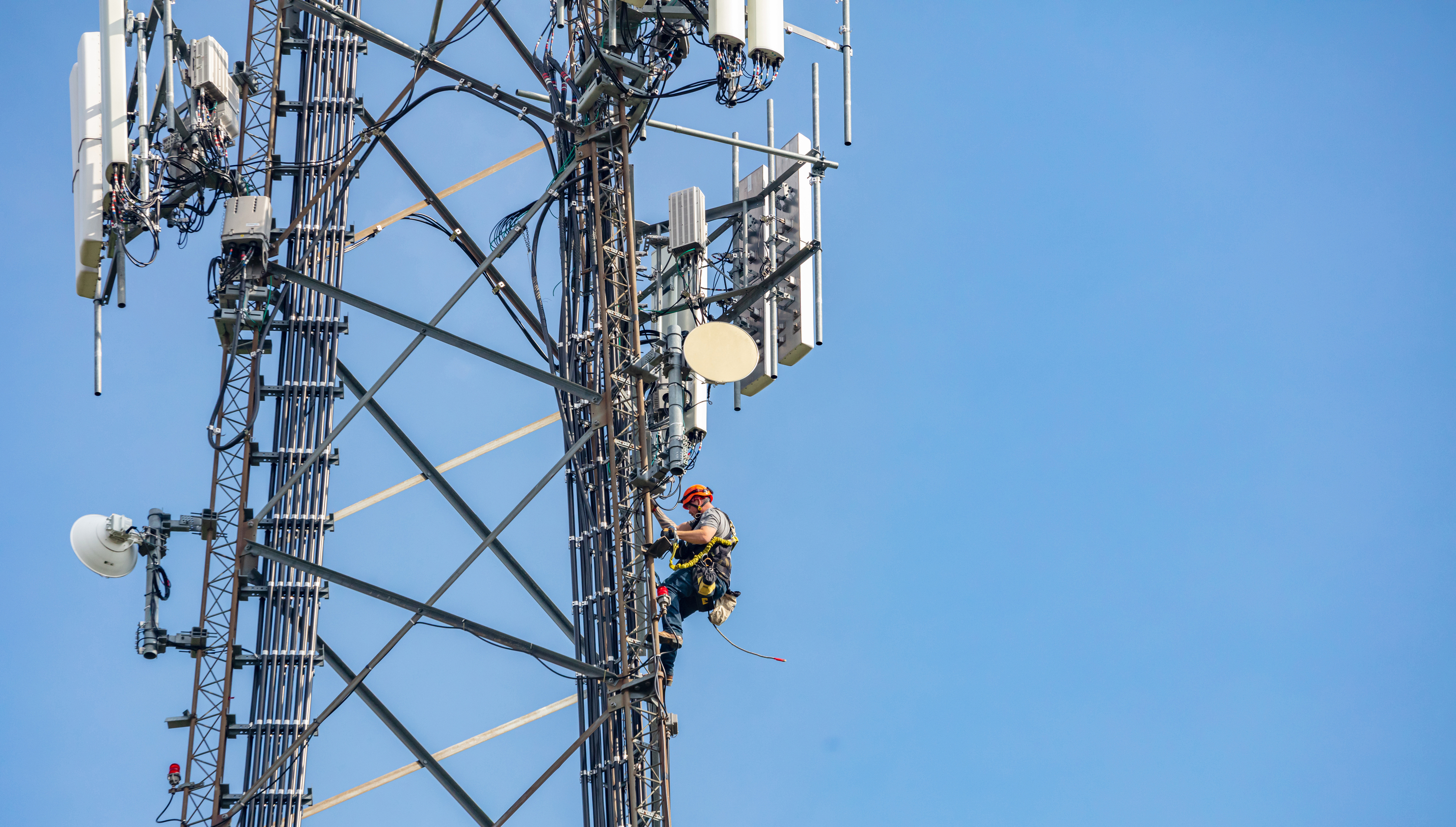
Maintaining cell phone service has become nearly as important as restoring electricity. Following past storms, some regions have seen more than 25% of cell sites go offline. To reduce that risk, Verizon Wireless starts its hurricane response about one week before one is forecasted in an area, according to Srini Kalapala, Verizon's senior vice president of wireless engineering and operations. Before a storm, Verizon uses drones to take pictures of a coverage area. It then takes more pictures after the storm to assess damage. AI sends a precise location of the damage to engineers and technicians as they start their repairs. "Hurricanes, especially - you don't understand the damage until it's fully done," Kalapala said. AT&T also makes preparations about one week before a hurricane. Its disaster response fleet includes boats, barges, and helicopters that can transport team members and equipment through hard-to-reach areas, according to Shannon Browning, the associate director of AT&T's Network Disaster Recovery team. FEMA's Disaster Emergency Communications teams maintain mobile communication units that can be deployed into disaster zones when local networks fail. Reliable communications are essential for emergency response, public safety, and recovery operations.
Protecting drinking water is another major challenge. Hurricanes can flood treatment plants, damage pumping stations, and contaminate reservoirs with sewage and debris. Water utilities prepare for this by securing backup generators, elevating critical equipment, protecting facilities from storm surge, and storing treatment chemicals before storms arrive. FEMA warns that drinking water systems face significant risks during hurricanes and severe flooding. In many island nations, emergency water reserves and portable treatment systems are maintained in case normal supplies become unusable. Public health agencies encourage utility companies and citizens to plan for extended power outages and infrastructure damage.
Food security also receives considerable attention before hurricane season. Governments often coordinate with grocery distributors and emergency management agencies to build reserves of shelf-stable food and ensure fuel supplies are available for transportation and refrigeration. Emergency shelters are stocked with meals, while warehouses are positioned outside high-risk areas so that supplies can be moved into affected communities quickly after a storm. Public health officials also issue guidance on food safety because prolonged power outages can spoil refrigerated and frozen foods. Protecting food and water supplies before and after hurricanes is critical to preventing illness in disaster-affected communities.
The goal of all of these efforts is simple: keep communities functioning when severe weather strikes. Hurricane preparedness increasingly focuses on resilience rather than just recovery. As emergency managers frequently emphasize, communities that invest in preparation before a storm arrives are often able to restore services faster, reduce economic losses, and protect more lives when the winds finally begin to blow.