Chasing Better Health and Longevity
Written by Arbitrage • 2026-06-24 00:00:00
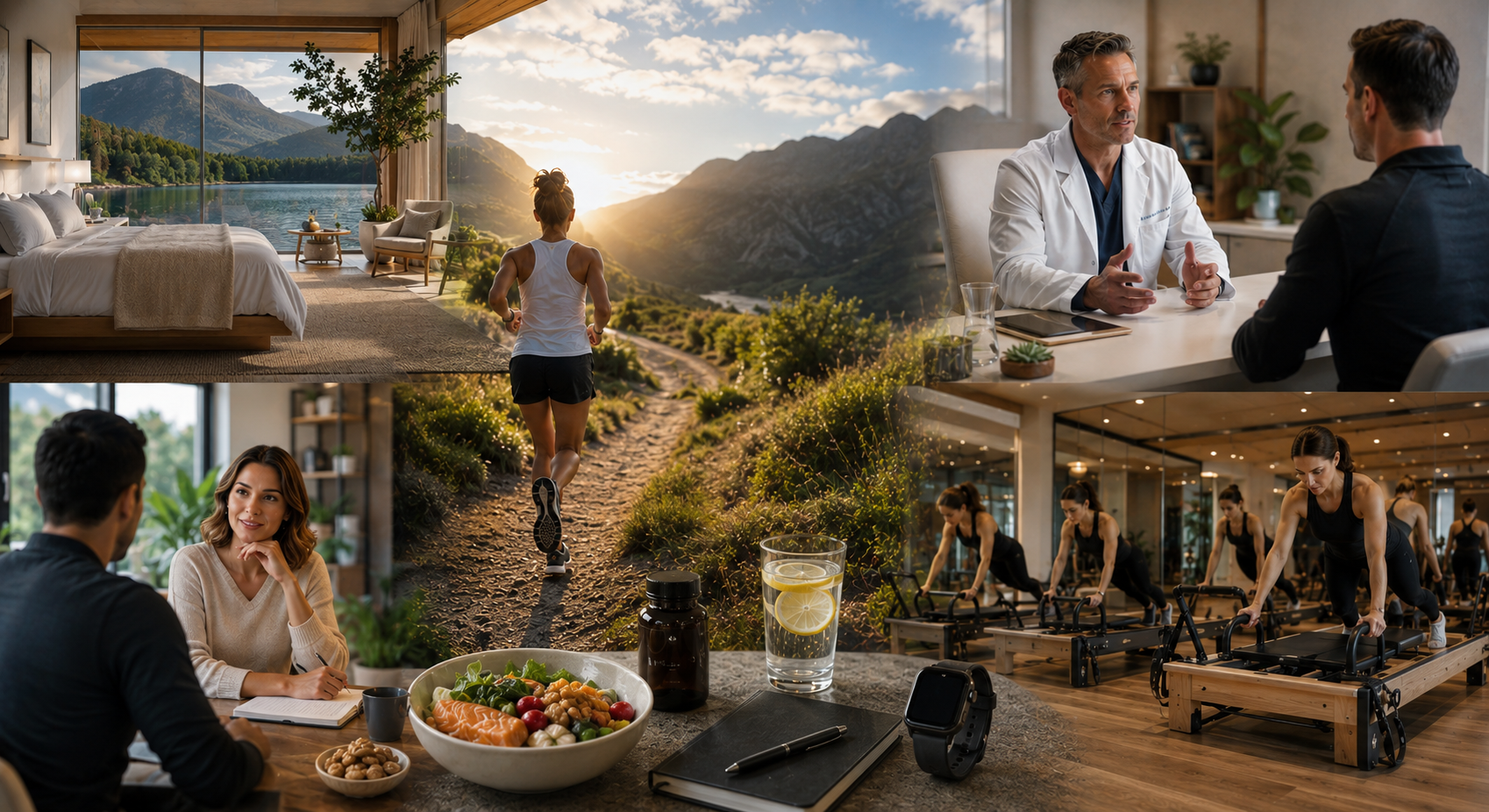
The modern wellness economy is evolving beyond traditional gym memberships and meditation apps into a much broader pursuit of health, longevity, and peak performance. This trend reflects a cultural shift away from simply treating illness and toward optimizing physical, mental, and cognitive well-being. Researchers say the trend is being fueled by rising levels of stress, burnout, chronic disease, and a growing desire among Americans to take greater control of their long-term health. They are spending money on sleep retreats, executive function coaches, longevity doctors, advanced laboratory testing, and boutique fitness studios. The modern health journey is no longer just about feeling good; it is becoming a race to optimize every aspect of wellness.
One of the most noticeable developments in this health movement is the rise of sleep tourism, sometimes called "rest retreats" or "restorative travel." Unlike traditional vacations that center on sightseeing or entertainment, sleep tourism focuses on quality rest and recovery, which many travelers rank among their primary vacation goals. Some luxury hotels and wellness resorts now offer sleep-focused rooms equipped with smart mattresses, circadian rhythm lighting, soundproofing technology, and relaxation treatments designed to improve sleep quality. Dr. Matthew Walker, professor of Neuroscience and Bioengineering at the University of Texas at Dallas and director of its Sleep Innovation Laboratories, describes these modern sleep environments as a "thermal and sensory ballet" designed around human biology. According to Fortune Business Insights, the global sleep tourism market was worth $84.65 billion in 2025 and is projected to reach over $96 billion this year, highlighting the growing concern over sleep deprivation, which affects millions of adults and has been linked to increased risks of heart disease, obesity, and mental health challenges.
Executive function coaching has emerged as a rapidly growing profession. Executive function refers to the mental skills that people use to plan, organize, focus, manage time, and regulate emotions. Originally associated primarily with children and adults diagnosed with ADHD, executive function coaching is increasingly being used by professionals, executives, college students, and entrepreneurs who feel overwhelmed by modern work demands. Researchers and clinicians note that constant digital distractions, remote work, information overload, and rising workplace expectations have made attention management and productivity more difficult for many people. Executive function coaches help clients develop systems for prioritization, accountability, goal setting, and decision-making, and demand for these services has grown alongside increases in ADHD diagnoses and workplace burnout. Some employers have even begun incorporating executive functioning training into their employee wellness programs.
The broader longevity market has become perhaps the most ambitious segment of the wellness industry. Rather than focusing solely on solely living longer, some consumers are seeking to extend their "healthspan," which refers to the number of years they remain healthy, active, and independent. This has created booming demand for high-end fitness studios, personalized training programs, recovery therapies, wearable health technology, hormone monitoring, and advanced laboratory testing. Boutique fitness centers increasingly market themselves as social and wellness hubs, while companies offering detailed blood panels, genetic screening, metabolic testing, and whole-body imaging have attracted many who are eager to identify potential health risks before symptoms appear. What was once considered elite preventive medicine is becoming increasingly mainstream, particularly among affluent professionals.
Many experts agree that the popularity of these trends reflects a genuine shift in public attitudes toward health, with people investing more in prevention and optimization than ever before. Researchers caution that because not every longevity product or service is supported by strong scientific evidence, consumers should carefully evaluate claims before making any substantial investments. As the wellness and longevity industries continue to grow, the pursuit of better sleep, sharper cognition, and healthier aging is becoming less of a niche interest and more of a defining feature of modern life. Healthy aging is now its own arms race - if you can afford it.