Supporting Small Businesses in Big Cities: Lessons from Richmond, Virginia
Written by Arbitrage • 2026-07-02 00:00:00
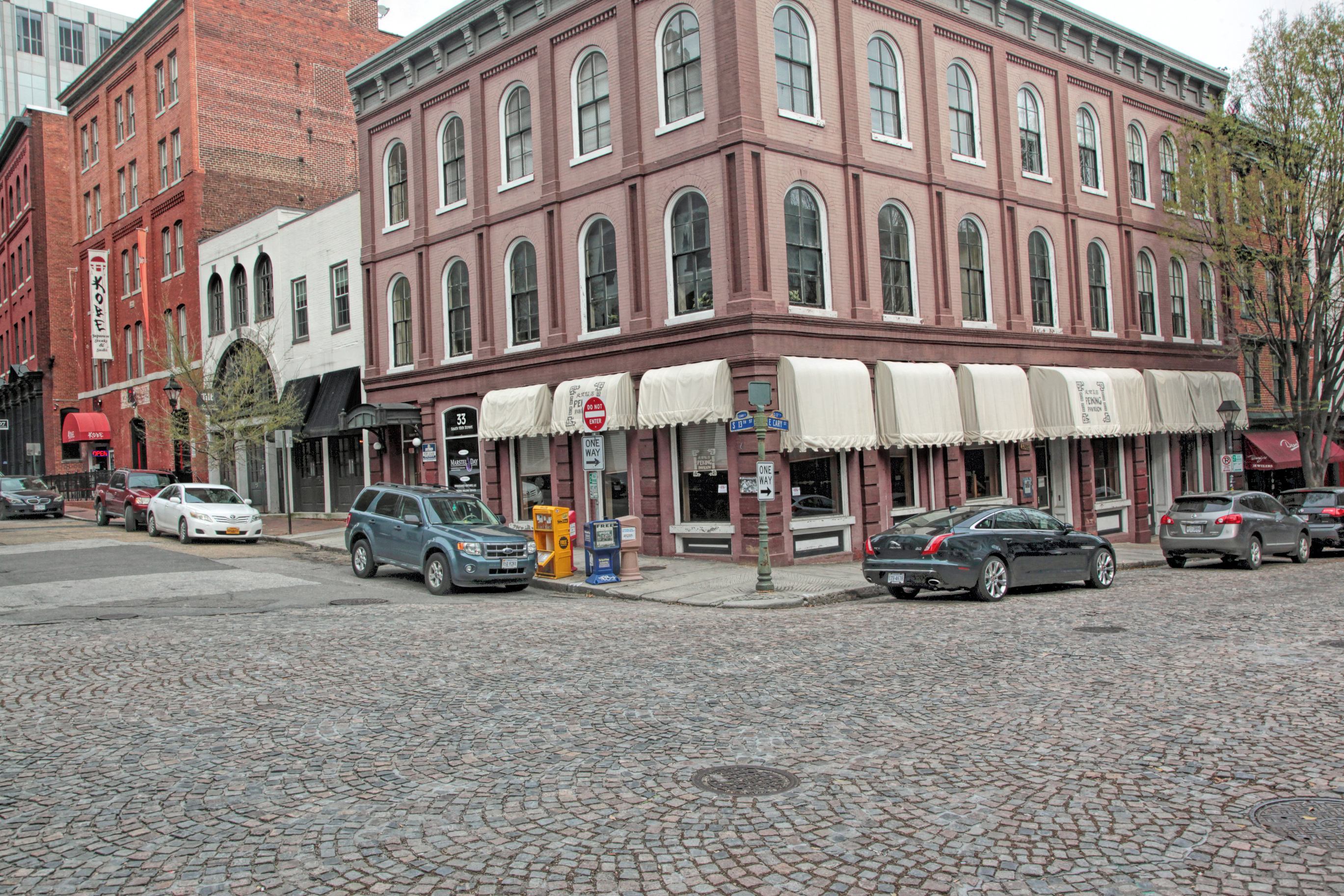
Large cities are often associated with national chains, major corporations, and busy commercial districts. However, many of the businesses that truly shape a city's culture and identity are locally owned restaurants, bookstores, coffee shops, boutiques, and service providers. In cities like Richmond, small businesses continue to play a major role in supporting local communities and strengthening the local economy.
Richmond offers a unique example of how local businesses can help define a city's character. Known for its historic architecture, vibrant arts scene, and growing food culture, Richmond has become a destination for small business growth and entrepreneurship. The city is home to Carytown, often called "Mile of Style," a shopping district filled with independent stores, restaurants, and local boutiques that have become a major part of Richmond's identity.
Richmond also carries deep historical significance. As one of the oldest major cities in the United States and the former capital of the Confederacy during the Civil War, the city has evolved into a modern hub for finance, healthcare, education, and small business innovation. Today, Richmond blends historic landmarks with modern entrepreneurship, creating opportunities for local businesses to thrive in a competitive urban environment.
Supporting small businesses in cities like Richmond can have a meaningful economic impact. When consumers shop locally, a larger portion of their spending often stays within the surrounding community through wages, taxes, and reinvestment in nearby businesses. This can contribute to stronger neighborhoods, job creation, and long-term economic development.
Richmond's food scene also highlights the importance of local entrepreneurship. The city has gained national recognition for its independent restaurants, coffee shops, breweries, and farmers' markets. Local businesses throughout neighborhoods such as Scott's Addition and Shockoe Slip have helped transform older industrial and historic areas into thriving commercial destinations.
From a financial perspective, small businesses often face challenges that larger corporations are better equipped to absorb. Rising operating costs, inflation, higher rents, and increased competition can put pressure on local business owners. Consumer support through shopping locally, sharing businesses on social media, leaving positive reviews, or attending local events can help improve visibility and long-term stability.
Richmond's growth in tourism and community events has also helped local businesses expand their reach. Annual festivals, art walks, outdoor markets, and riverfront events regularly bring both residents and visitors into locally owned establishments. Even the James River has become a central part of Richmond's economic and cultural identity, attracting outdoor recreation and tourism that support nearby businesses.
Ultimately, supporting small businesses in large cities is about more than making a purchase. It is an investment in local communities, economic diversity, and the entrepreneurs who help shape a city's culture. Richmond continues to demonstrate how locally owned businesses can preserve history, encourage innovation, and create stronger connections within the community while contributing to long-term economic growth.