Why Nostalgia is Selling Again
Written by Arbitrage • 2026-07-09 00:00:00
In a world defined by endless streams of new products, many consumers are now looking backward instead of forward. Companies are finding that throwback experiences resonate strongly with modern consumers, and the numbers behind nostalgia marketing suggest that this is more than just a passing fad. According to marketing analysts, 77% of Gen Z consumers enjoy it when brands revive older aesthetic styles, and 73% appreciate retro-inspired products and content. Another survey found that two-thirds of Americans would like discontinued products from their childhood to return, and respondents said they would pay an average of 32% more for those products. Additional consumer research suggests that roughly 70% of consumers view nostalgia-based marketing as "authentic" and "trustworthy." These findings help explain why companies continue investing in retro branding, limited-edition reissues, and anniversary product launches.
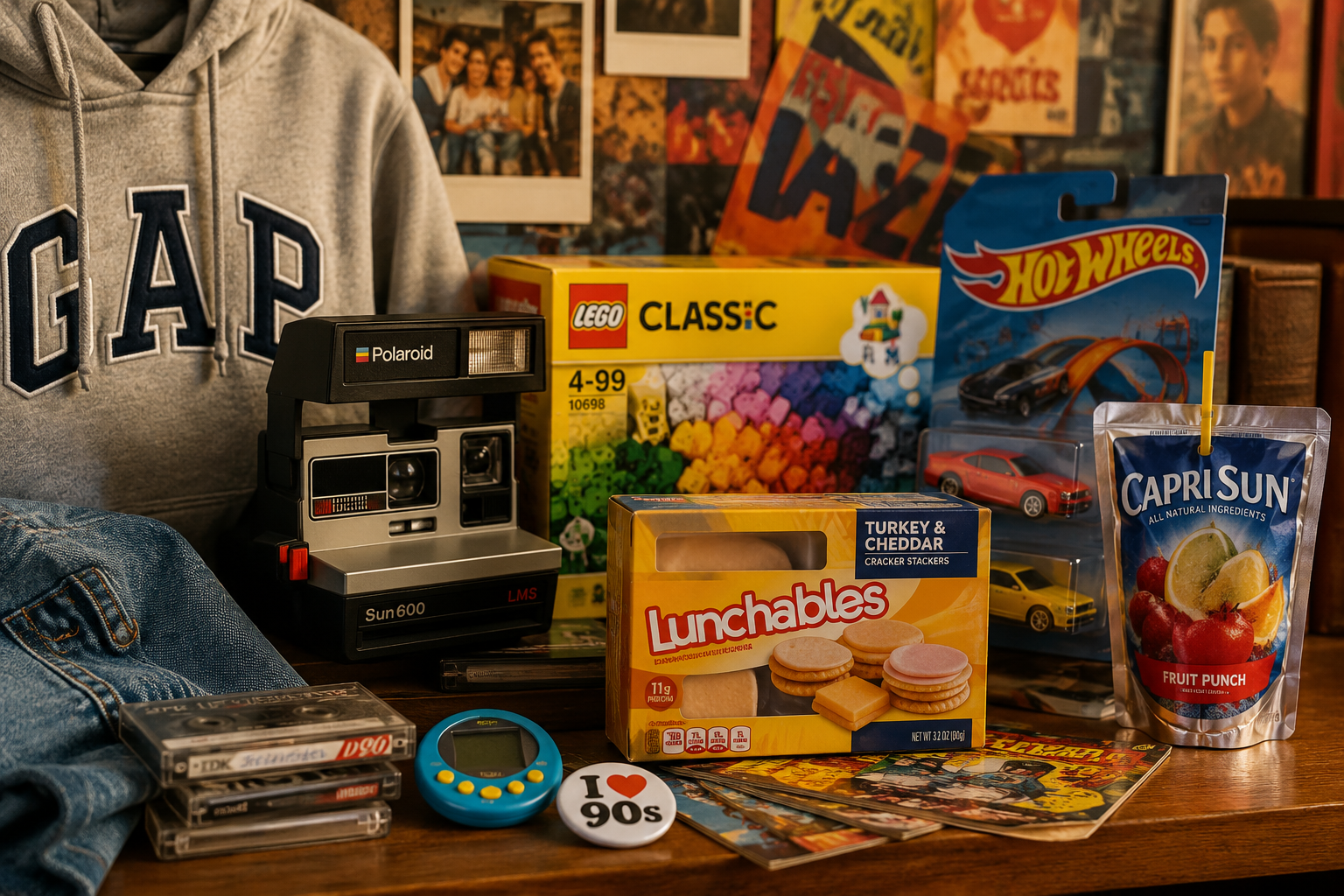
Some of the most prominent stories involve brands that have successfully reinvented themselves while maintaining their original identity. Gap has experienced a notable resurgence by embracing its heritage, reintroducing classic logos, denim styles, and campaigns that remind shoppers of the brand's popularity in the 1990s and early 2000s. Polaroid, once considered obsolete in the smartphone era, has found new life among younger consumers who appreciate instant photography and the tactile experience of printed pictures. These companies have discovered that consumers do not want a perfect recreation of the past; they want a familiar brand that has evolved for today's world.
Fast-food chains and snack manufacturers have also embraced nostalgia by regularly bringing back discontinued menu items, retro packaging, and classic flavors. Few fast food chains have leaned into nostalgia more aggressively than Taco Bell. Its Decades Menu featured returning classics such as the Meximelt, Gordita Supreme, Green Sauce Burrito, and Caramel Apple Empanada. In 2025, KFC brought back its iconic potato wedges after removing them from the menu in 2020. KFC also reintroduced its Hot & Spicy Wings, which had been absent for nearly two years, as part of its "Kentucky Fried Comeback" campaign. Lunchable's recent "The Lunchables Effect" campaign was marketed directly to millennials by recreating the excitement of showing up in the cafeteria with a Lunchables pack. When rumors circulated that Capri Sun's classic silver juice pouch would be discontinued and replaced with bottles, the company quickly reassured consumers that it would "never disrespect the pouch," demonstrating just how powerful nostalgia has become as part of the brand's identity. This trend is not just an American phenomenon. In the United Kingdom, brands such as Cadbury, Nik Naks, and Bacardi Breezer have leaned into retro-inspired marketing and product revivals to appeal to two different generations - millennials who remember the originals and Gen Z consumers who see them as novel discoveries. According to Business Insider, this strategy works because it combines familiarity with a sense of rediscovery.
Many toy companies have discovered that adults are some of their biggest customers, and the industry has coined the term "kidults" to describe adults purchasing toys for themselves. According to market research from Circana, adults aged 18 and older have become one of the toy industry's fastest-growing customer segments. Brands are reviving classic toys and reissuing vintage designs, all while updating them with modern features. Some toy brands doing this include Lego, Mattel (which makes Barbie, Hot Wheels, and Fisher-Price), Hasbro (with products such as Lite Brite, Transformers, and G.I. Joe), and American Girl.
The President of Licensing International Maura Regan noted that consumers are seeking comfort and familiarity in the products they buy. One Gen Z marketing commentator described nostalgia as a way to connect with "something that feels familiar and culturally rich" - even when the experience predates their own childhood. In many cases, nostalgia is not about reliving the past but about reinterpreting it for the present. The resurgence of nostalgic brands shows no sign of slowing down as consumers continue to gravitate toward products that evoke positive memories and emotional connections. Nostalgia's appeal extends beyond simple sentimentality and has become a powerful competitive marketing advantage.