The Importance of Healthy Snacking While in a Caloric Deficit
Written by Arbitrage • 2026-08-17 00:00:00
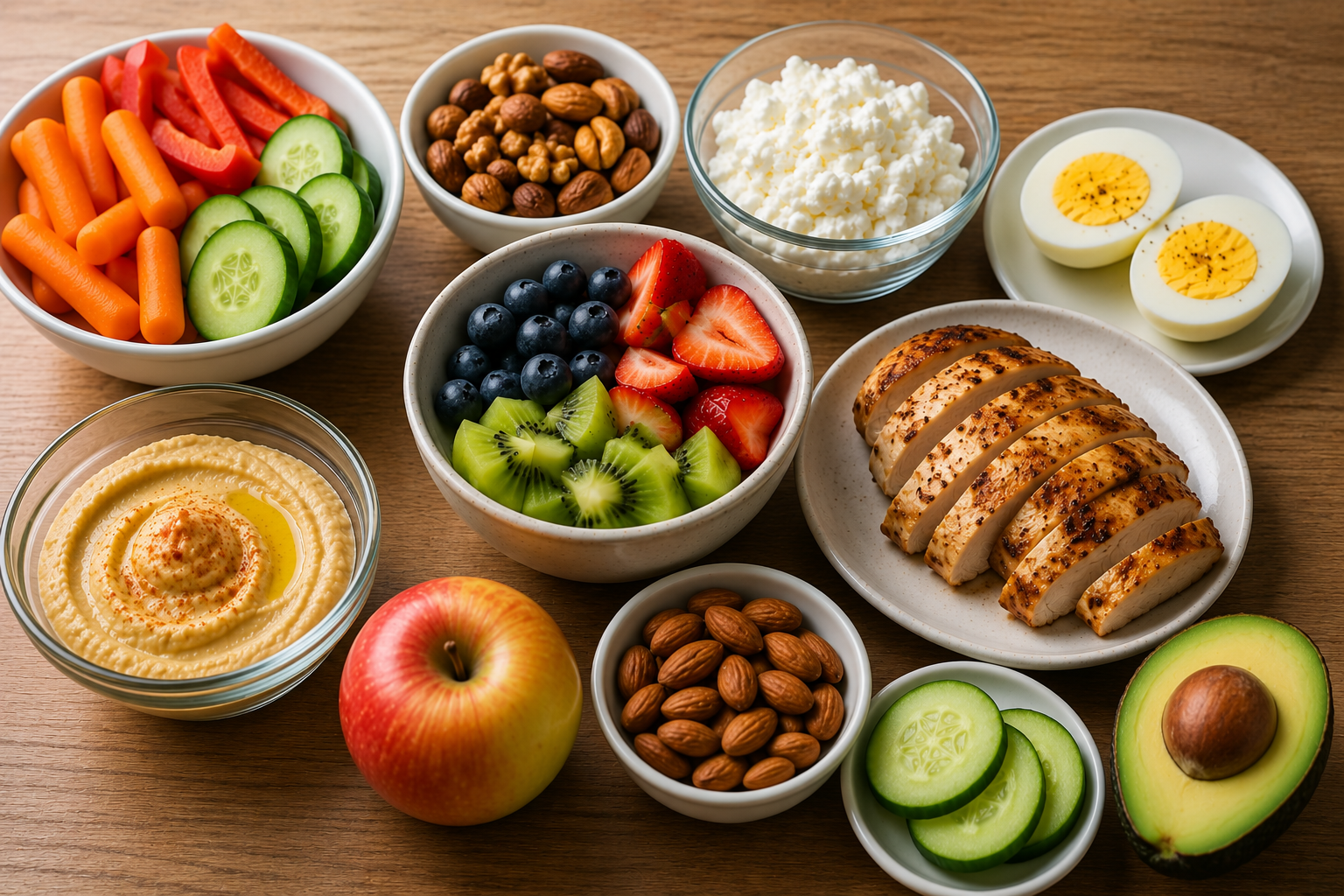
Many people pursue weight-loss goals by creating a caloric deficit, which means consuming fewer calories than the body uses each day. In order to determine what the right caloric deficit is for you, find a good online resource (there are plenty!) to figure out how much to cut each day and track it using some kind of app (again, plenty of free apps out there!). Others combine a caloric deficit with intermittent fasting, a structured eating approach that limits food intake to specific time windows. While both strategies can help individuals manage their calorie intake, success often depends on making nutritious food choices during eating periods. One often-overlooked tool is healthy snacking. When used thoughtfully, healthy snacks can help support energy levels, manage hunger, and make it easier to maintain consistency over the long term, helping you avoid sugar crashes.
Understanding the Role of Fasting
Intermittent fasting has become a popular approach to weight management because it simplifies eating schedules and may help some people reduce overall calorie intake. Common fasting schedules include limiting food consumption to an 8 or 10 hour eating window each day. Some examples include limiting one's eating window to times like no eating from 7 pm until 12 noon the following day, while others include longer fasting windows, though those are typically reserved for more experienced fasters, not beginners. Choose an eating window that you know will realistically work for your lifestyle to be more successful. Do not choose an eating window that you know will set you up for failure.
While fasting may work well for some individuals, the quality of the food consumed during eating periods still matters. Breaking a fast with highly processed foods or excessive portions can make it more difficult to achieve health and wellness goals. You may also retain more water weight if you break a fast by eating carbohydrates and they increase glycogen stores causing fluid retention.
Why Healthy Snacks Still Matter
Even during an eating window, several hours may pass between meals. Hunger can build quickly, increasing the temptation to overeat at the next meal or choose less nutritious foods. Healthy snacks can help bridge the gap between meals while supporting a balanced approach to nutrition. Rather than reaching for foods high in added sugars or empty calories, nutrient-dense snacks can provide greater satisfaction and help keep eating habits on track. Keep healthy snacks handy so while you are out and about you can reach for something high in protein from your pocket or purse. A good example of this is beef jerky. For something with less sodium the 100 calorie nut packs are a good choice.
Focus on Nutrient-Dense Choices
Not all snacks provide the same nutritional value. Snacks that contain protein, fiber, or healthy fats often help promote a greater sense of fullness than highly processed alternatives. Some examples include:
- Greek yogurt with berries (limit berries due to natural sugar count)
- Apple slices with peanut butter (pick a peanut butter without seed oils, for example)
- Cottage cheese and fruit (limit fruits with higher carb and glycemic index such as apples and bananas)
- Mixed nuts in moderation (avoid too many nuts due to higher calorie count - 100 count nut packs are a good choice for portion control)
- Hummus with vegetables (carrot sticks are a good choice, but bell peppers are better, as carrots tend to be higher in natural sugars)
- Hard-boiled eggs
- Air-popped popcorn (look for pre-portioned bags of already popped popcorn)
These options can provide nutrients while helping individuals stay within their calorie goals.
Breaking a Fast the Right Way
For those who practice intermittent fasting, the first meal or snack of the day can set the tone for the hours ahead. Aim for at least 30 grams of protein for your first meal of the day. Eggs are an excellent source of protein as well as using a protein shake in place of creamer in your hot or iced coffee for additional protein. Top your scrambled eggs with cheese for a protein boost.
Choosing foods rich in protein, fiber, and other nutrients may help maintain steady energy levels and reduce the urge to overindulge later. A balanced snack or meal can often be a better choice than foods that cause quick spikes and drops in energy.
Planning Ahead Supports Success
Whether following a traditional eating schedule or practicing intermittent fasting, preparation can make healthy choices easier. Keeping nutritious snacks available at home, work, or while traveling can help reduce reliance on convenience foods and support consistency. Having a plan in place often makes it easier to stay focused on long-term goals.
Portion Awareness Remains Important
Healthy foods still contain calories, so portion awareness is important when maintaining a caloric deficit. Pre-portioning snacks or being mindful of serving sizes can help prevent unintended overeating. Always read your labels when choosing foods at home or at the store and pay attention to the serving size. The goal is not to eliminate snacks entirely but to use them strategically as part of a balanced eating plan.
Building Sustainable Habits
Weight management is often most successful when it focuses on sustainable habits rather than short-term restrictions. For many people, a combination of mindful eating, healthy snacking, intermittent fasting, regular physical activity, and adequate sleep can create a practical framework for long-term wellness. Every individual is different, and finding an approach that fits personal preferences and lifestyle is often more important than following a one-size-fits-all plan.
The Bottom Line
A caloric deficit is often a key component of weight management, and intermittent fasting may be one tool some people use to help achieve it. However, what you eat during your eating window remains just as important as when you eat.
By choosing nutrient-dense snacks, practicing portion awareness, and planning ahead, individuals can better manage hunger, support energy levels, and build healthy habits that contribute to long-term wellness goals.