Celebrating Hispanic Heritage Month
Written by Arbitrage • 2026-09-15 00:00:00
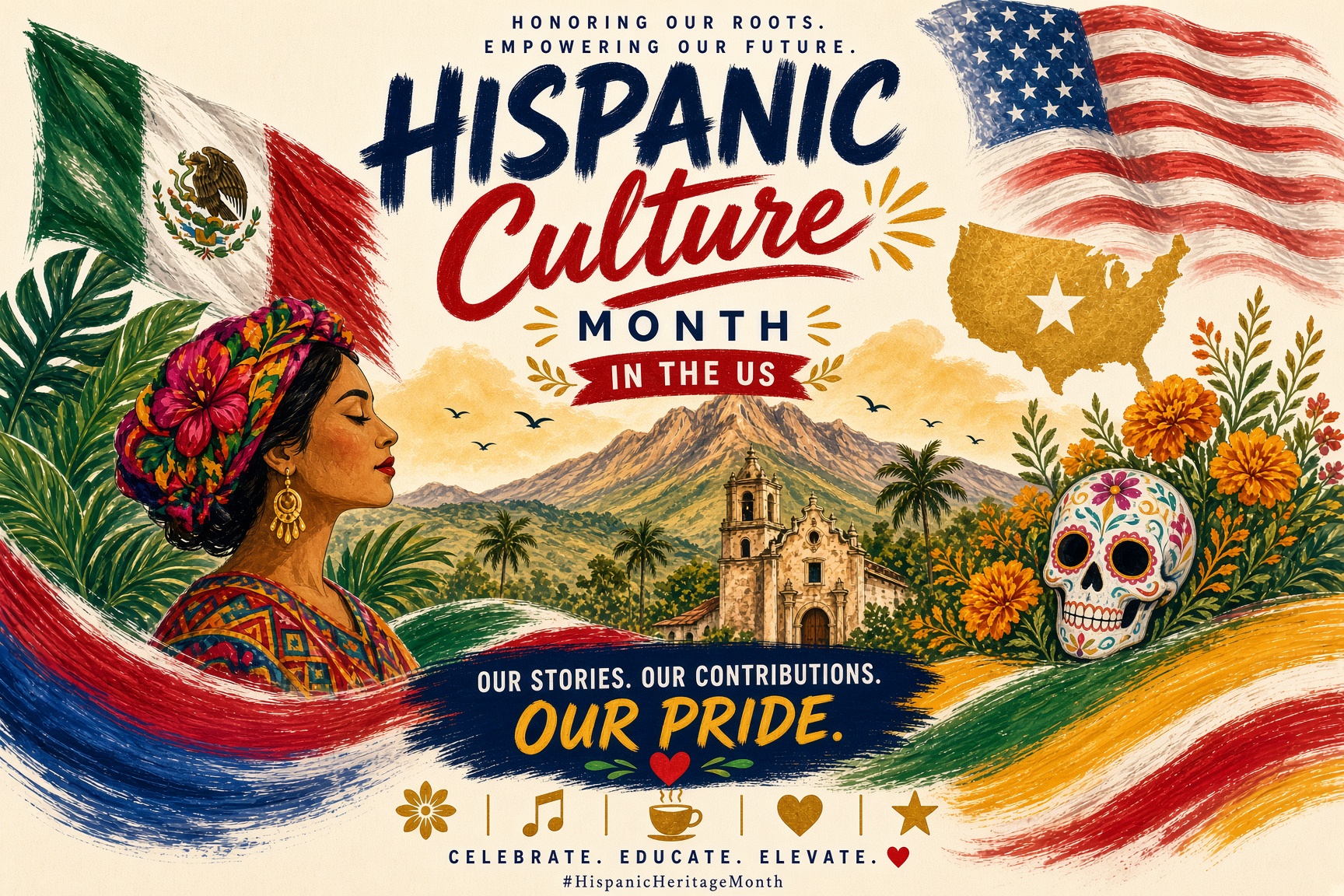
Every year in the United States, Hispanic Heritage Month is celebrated from September 15 through October 15. It is a time to recognize and celebrate the history, culture, traditions, achievements, and contributions of Hispanic and Latino communities. The month-long observance provides an opportunity for people across the country to learn about the many cultures and experiences that have shaped the United States.
The origins of Hispanic Heritage Month date back to 1968, when President Lyndon B. Johnson signed a law establishing Hispanic Heritage Week. The observance was originally celebrated during the week that included September 15 and 16. In 1988, President Ronald Reagan signed legislation expanding the celebration to a full 30 days, beginning September 15 and ending October 15. September 15 is significant because it marks the independence anniversaries of several Central American countries, including Costa Rica, El Salvador, Guatemala, Honduras, and Nicaragua.
Hispanic Heritage Month is about much more than recognizing historical events. It celebrates the diverse people and cultures connected to Spanish-speaking countries and communities throughout the Americas and around the world. During this month, communities highlight Hispanic and Latino traditions through food, music, dance, art, literature, festivals, educational programs, and cultural events. It is also a chance to recognize the many different backgrounds and experiences within the Hispanic and Latino community.
The celebration also honors the contributions Hispanic and Latino Americans have made to the United States. Their influence can be seen in business, education, science, medicine, government, sports, entertainment, agriculture, the military, and countless other fields. Hispanic Heritage Month gives Americans an opportunity to learn about individuals and communities whose stories have helped shape the nation's history and continue to influence its future.
Ultimately, Hispanic Heritage Month is a celebration of culture, history, family, achievement, and community. It encourages people to appreciate the traditions and stories that have been passed from one generation to the next while recognizing the important role Hispanic and Latino Americans play in the United States today. Whether through learning about history, enjoying traditional foods and music, attending a local cultural event, or simply listening to someone's personal story, everyone can take part in recognizing and celebrating Hispanic heritage.