Keep Your Eyes on the Prize: Why Eye Health Is an Investment Worth Making
Written by Arbitrage • 2026-11-09 00:00:00
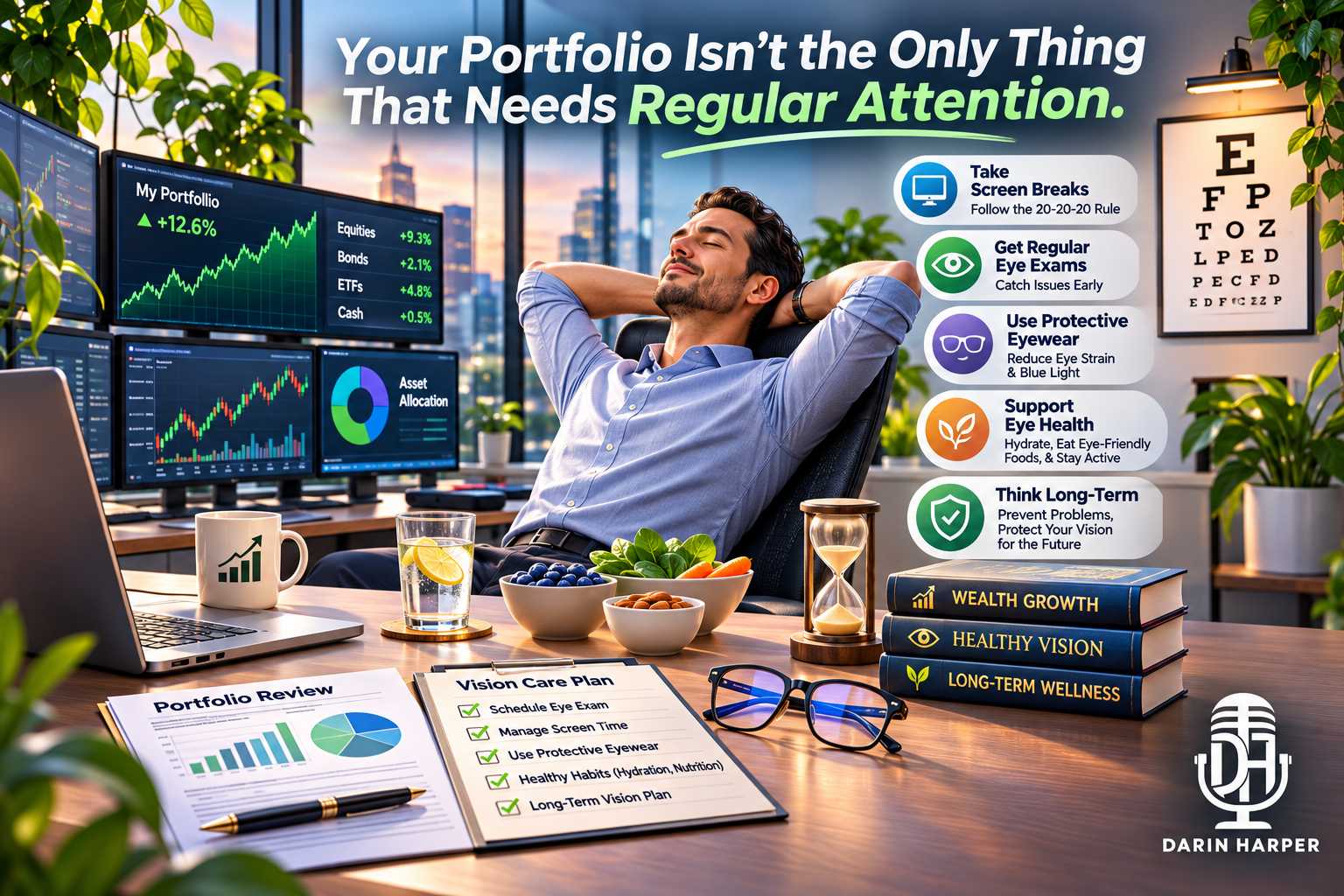
Your Portfolio Isn't the Only Thing That Needs Regular Attention
We spend a remarkable amount of time looking at screens. We check our phones before getting out of bed, stare at computers throughout the workday, scroll through social media during lunch, and settle down in front of the television at night. For anyone involved in financial markets, the screen time can be even more intense. Between watching candlestick charts, following breaking news, tracking economic reports, and monitoring investments, our eyes rarely get a chance to clock out. Yet while we carefully monitor our financial health, many of us overlook something equally important: our vision. Your eyesight is one of your most valuable assets, and unlike a stock that has taken a temporary downturn, some forms of vision loss cannot be recovered. The good news is that protecting your eyes doesn't have to be complicated or expensive. A few healthy habits, regular examinations, and some preventive care can make a meaningful difference.
Your Eyes Are Working Overtime
If you've ever spent several hours watching stock charts, working on spreadsheets, or reading financial reports, you're probably familiar with tired, dry, or blurry eyes. Digital eye strain is common among people who spend long periods looking at screens. Symptoms can include headaches, dry eyes, temporary blurred vision, and difficulty focusing. One reason is that people tend to blink less frequently while concentrating on digital devices. Less blinking can allow the tear film covering the eye to dry out more quickly. And when you're following a volatile market, remembering to blink may not exactly be your top priority. One simple strategy is the 20-20-20 rule. Every 20 minutes, look at something approximately 20 feet away for at least 20 seconds. It won't eliminate every cause of eye strain, but it can help give your focusing muscles a break. Think of it as a miniature trading halt for your eyes. Sometimes, stepping away from the screen is exactly what you need.
Don't Wait for a Warning Signal
In trading, waiting until a stock has already collapsed before reviewing your risk exposure isn't exactly an ideal strategy. The same principle applies to eye health. Several serious eye conditions can develop gradually without noticeable symptoms early on. Glaucoma, diabetic retinopathy, and some other eye diseases may cause damage before a person realizes anything is wrong. That's why routine comprehensive eye examinations matter, even when your vision seems perfectly fine. An eye care professional can evaluate your vision, assess your overall eye health, and recommend an examination schedule based on your age, medical history, family history, and individual risk factors. For some people, a dilated eye examination is particularly important because it allows a closer look at structures inside the eye. The lesson is simple: don't wait until something goes wrong to start paying attention. Preventive care is a form of risk management, and early detection can sometimes help protect against more serious problems.
Your Diet Can Support Your Vision
When people think about healthy eyes, carrots usually get all the publicity. And while carrots contain beta-carotene, which the body can convert into vitamin A, they aren't the only foods that deserve a place on your plate. Leafy greens such as spinach and kale provide nutrients including lutein and zeaxanthin. Fish such as salmon and sardines contain omega-3 fatty acids, while citrus fruits, nuts, and other vegetables contribute nutrients that support overall health. A balanced diet can help support healthy eyes as part of a healthy lifestyle.
It's also important to manage conditions such as diabetes, high blood pressure, and high cholesterol, which can affect blood vessels and contribute to eye problems. And before you rush out to buy expensive eye supplements, remember that more isn't necessarily better. Certain specialized supplements benefit some people with specific stages of age-related macular degeneration, but they aren't recommended for everyone. In other words, don't invest in a product just because the packaging promises impressive returns. Your eyes, like your finances, benefit from thoughtful decisions, not flashy marketing.
Protect Your Eyes From More Than Screens
Screens receive plenty of attention, but they're far from the only potential threat to your vision. Ultraviolet radiation from sunlight can contribute to cataracts and other eye problems over time. Wearing sunglasses that block 99% to 100% of UVA and UVB rays can help reduce exposure. And yes, sunglasses matter in winter, too.
Snow, water, and other reflective surfaces can increase sunlight exposure, making protection important even when temperatures drop. Protective eyewear also matters when working with power tools, chemicals, lawn equipment, or participating in activities where objects could strike the eyes. A relatively inexpensive pair of appropriate safety glasses may prevent an injury that leads to significant medical expenses or permanent vision damage. Not every investment needs to generate income. Some of the most valuable ones simply protect what you already have.
Screen Time Needs a Strategy
For traders, analysts, accountants, and anyone working in finance, eliminating screen time isn't realistic. The markets won't stop moving just because your eyes are tired. But you can make your workspace more comfortable. Position your monitor roughly an arm's length away, with the screen at or slightly below eye level. Adjust brightness to match the room, reduce glare, and enlarge text when needed rather than leaning forward and squinting. Remember to blink regularly, take short breaks, and address persistent dryness with guidance from an eye care professional. Blue-light-blocking glasses have become popular, but current evidence doesn't show that they reliably prevent digital eye strain. Adjusting your workspace, taking breaks, and addressing underlying vision or dry-eye problems may be more useful. And if you're using multiple monitors to track the Dow, Nasdaq, S&P 500, cryptocurrencies, and foreign exchange markets at the same time, consider giving your eyes an occasional break from the action. Your trading platform may run all day, but your eyes still need maintenance.
Eye Health Has a Financial Side
Medical expenses can catch people off guard, and eye care is no exception. Prescription glasses, contact lenses, examinations, specialized treatments, and unexpected eye problems can add up quickly. That's why it makes sense to include vision care in your financial planning. Review your health and vision insurance coverage, compare costs when buying glasses or contacts, and determine whether you can pay eligible expenses through a Health Savings Account (HSA) or Flexible Spending Account (FSA). Vision insurance isn't automatically the best financial choice for everyone. Depending on premiums, benefits, provider networks, and how often you need services, paying out of pocket may sometimes make more sense. The key is to evaluate the numbers rather than assume one option is always better. And don't overlook the potential cost of delaying necessary care. While preventive examinations don't guarantee you can avoid future problems, identifying certain conditions earlier may improve treatment options and reduce the risk of serious complications. A little planning can help protect both your eyesight and your household budget.
Think Long-Term, Not Just Today
Most investors understand the value of thinking beyond the next market session. A successful long-term strategy involves patience, discipline, regular evaluation, and adjustments when circumstances change. Your eye health deserves that same mindset. Regular examinations, balanced nutrition, physical activity, appropriate protective eyewear, and sensible screen habits all contribute to a more proactive approach. If you smoke, quitting can also help reduce the risk of several serious eye diseases, including age-related macular degeneration. And remember that sudden vision loss, new flashes of light, a sudden shower of floaters, or a dark curtain moving across your vision require urgent medical evaluation. Don't watch for a few trading sessions to see whether they improve. The objective isn't to eliminate every possible risk. It's to make informed decisions that help protect your vision for years to come.
The Bottom Line: Your Vision Is a Long-Term Asset
We devote enormous amounts of time to protecting our financial futures. We monitor investments, evaluate risks, follow market trends, and make adjustments when the numbers change. But we often take the ability to see those numbers clearly for granted. Eye health deserves more than a passing glance. Whether you're studying stock charts, reviewing your retirement account, reading a favorite book, or spending time with family, healthy vision supports your independence and quality of life. Protecting your eyes doesn't require a complicated strategy. It requires awareness, consistency, and a willingness to make preventive care a priority. After all, the best investment isn't always the one that grows your portfolio. Sometimes, it's the one that helps you see and enjoy everything you've worked so hard to build.