World Diabetes Day: The Hidden Costs of Diabetes: When Healthcare Becomes a Household Budget Crisis
Written by Arbitrage • 2026-11-13 00:00:00
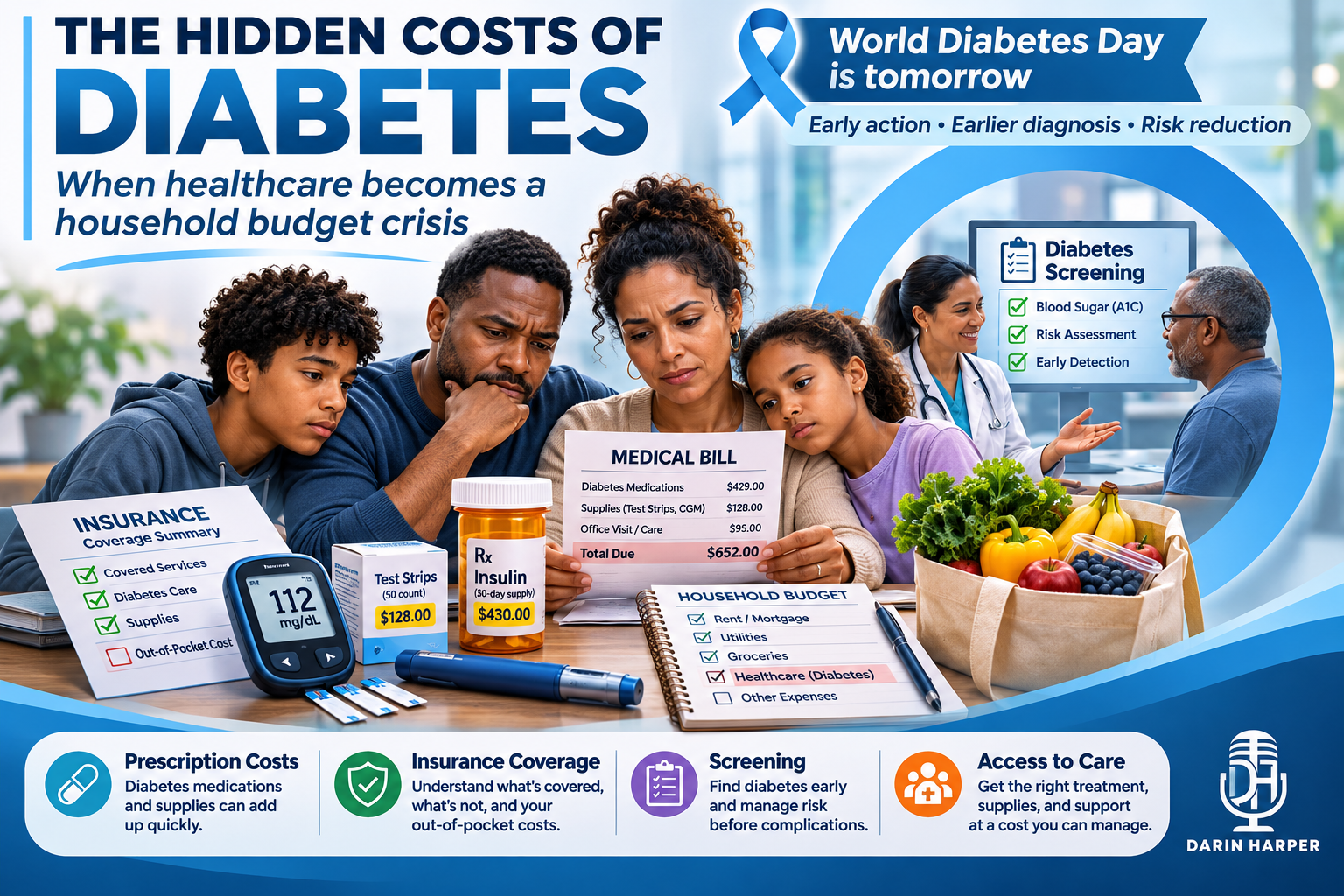
Tomorrow, November 14, is World Diabetes Day, and the message for 2026 could not be more practical: act earlier. The International Diabetes Federation's 2026-27 campaign is built around "Early Action on Diabetes," with particular emphasis on earlier diagnosis, timely access to care, and reducing the risk of type 2 diabetes. That matters because diabetes can quietly develop before someone realizes anything is wrong. The IDF estimates that 589 million adults worldwide are living with diabetes and more than four in ten do not know they have it. Another 635 million adults are considered at high risk of developing type 2 diabetes. Those numbers turn "maybe I should get checked someday" into a much more important conversation.
One of the biggest challenges is that prediabetes and type 2 diabetes often produce few or no obvious symptoms in their earlier stages. The CDC says a blood sugar test is needed to determine whether someone has prediabetes or diabetes, and catching the problem earlier can help prevent or delay serious complications. Current U.S. Preventive Services Task Force guidance recommends screening adults ages 35 to 70 who have overweight or obesity, with earlier screening considered for some people with additional risk factors. Common tests include fasting glucose and the A1C blood test. Screening recommendations depend on individual circumstances, so this is one of those situations where a conversation with a healthcare professional is more useful than trying to diagnose yourself with an internet search at midnight.
The medical consequences of diabetes are serious, but so are the financial ones. The American Diabetes Association estimated that diagnosed diabetes cost the United States $412.9 billion in 2022. About $306.6 billion represented direct medical expenses, while another $106.3 billion came from lost productivity and other indirect costs. People diagnosed with diabetes had average medical expenditures about 2.6 times higher than would be expected without diabetes. That is where a chronic illness stops being simply a healthcare issue and becomes a household budgeting issue involving prescriptions, doctor visits, testing supplies, specialist care, transportation, insurance deductibles, and occasionally lost income from missed work.
Prescription costs can be particularly difficult because diabetes is not something most people treat once and then forget. Medication, insulin for those who need it, continuous glucose monitors, glucose meters, test strips, needles, and other supplies can become recurring monthly expenses. Insurance coverage helps, but covered does not always mean free. Deductibles, copayments, formularies, preferred pharmacies, and prior-authorization requirements can all affect what a family actually pays. There have been important affordability changes for Medicare beneficiaries: in 2026, cost sharing for covered insulin is generally limited to the lesser of $35 for a month's supply, 25% of the negotiated price, or 25% of an applicable Medicare-negotiated maximum fair price. That can provide meaningful relief, although coverage and costs for people with private insurance or no insurance can differ substantially.
Then there are the expenses that never appear neatly under the heading "diabetes." A household may spend more on transportation to appointments, healthier food choices, time away from work, childcare during medical visits, or treatment of complications involving the heart, kidneys, nerves, feet, or vision. That is one reason early action has an economic benefit as well as a medical one. IDF notes that early detection can help prevent or delay serious complications, while the CDC emphasizes that identifying prediabetes early creates an opportunity to prevent or delay progression to type 2 diabetes. In financial terms, it is similar to preventive maintenance: catching a problem while there are still more options is usually preferable to discovering it after the repair bill has become considerably larger.
World Diabetes Day is therefore about more than wearing blue tomorrow. It is a reminder to know your risk, recognize warning signs, get appropriate screening, maintain access to treatment, and understand what your insurance actually covers before an emergency forces you to learn. It is also a reminder that healthcare affordability can directly influence health outcomes. People cannot consistently manage a chronic disease if the medications, appointments, supplies, or healthy choices they need remain financially out of reach. The 2026 message is simple: earlier knowledge creates more choices. For your health and potentially for your household budget, finding out sooner can be far less expensive than finding out too late.